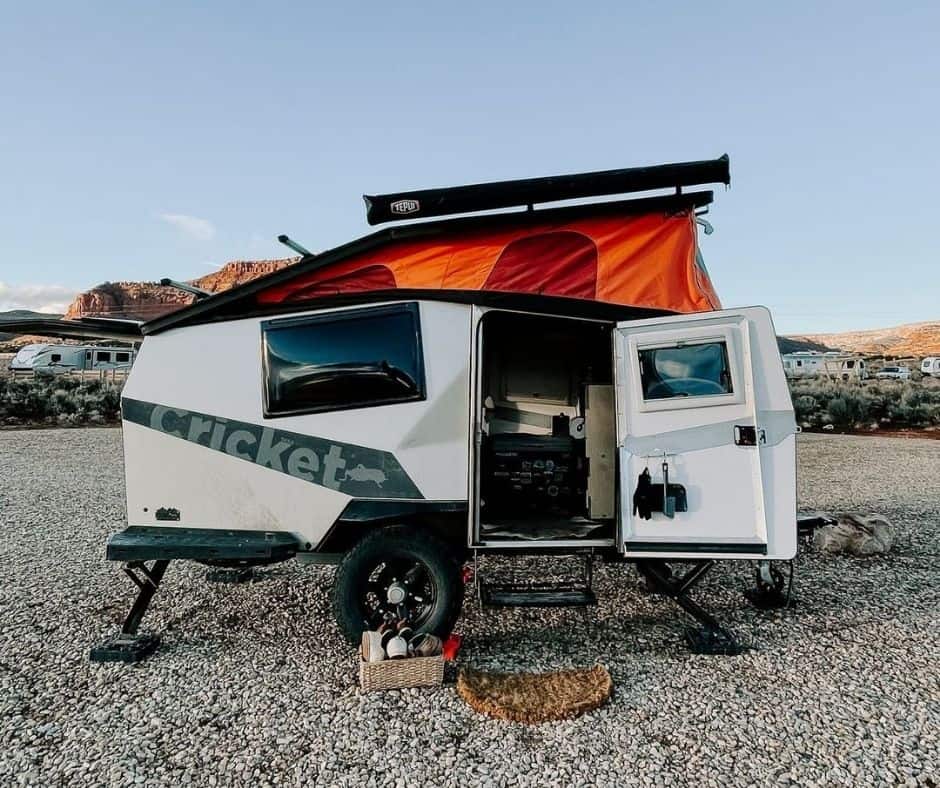
Taxa Cricket
The Taxa Cricket is a NASA-inspired lightweight camping trailer designed by a former NASA architect. Built for efficiency with every cubic inch optimized for outdoor living.
MSRP from
$24,000
$ Budget
Specifications
Length
15 ft
Weight
1,700 lbs
Sleeps
2
Fresh Water
7 gal
Gray Water
N/A
Black Water
N/A
Features
Highlights
What owners report
Summarized from Reddit and owner forums — not a first-hand test.
The Taxa Cricket is the rolling embodiment of its NASA-engineer origins — a compact, hard-sided pop-up built around the 'choreography of life in space,' where every inch is deliberate. Owners describe it as rugged, clever, and genuinely fun: small enough to fit in a garage and tow behind a 4-cylinder, but capable enough to follow you down dirt roads to places a conventional trailer would never go. The vibe is adventure-first, not RV-resort, and that's exactly what its cult following loves about it.
In practice, the Cricket punches above its size. Owners who've spent serious time in one consistently praise the build quality and the thoughtful storage — roughly 63 square feet that somehow holds a couple, gear, an interior galley, and a pop-up roof that gives real standing room. It tows easily and low, and the all-weather kitchen plus good ventilation let people camp it comfortably across seasons, even near freezing. The trade-offs are inherent to the concept: it's small and tight in bad weather, the soft pop-up sides aren't as insulated or secure as hard walls, and the base trailer is sparse — no built-in bathroom (just a portable toilet and exterior shower), no fridge, and solar that's only pre-wired, so the real out-the-door price climbs.
The Cricket is for the active couple or small family who want a tough, garageable, lightly towable basecamp for getting outdoors — not buyers who want a self-contained mini-condo. It's priced like a premium adventure trailer, and owners admit it's hard to find anything else built this rugged in the size class. The natural cross-shop is the Airstream Basecamp (similar tiny-premium niche): the Basecamp brings an aluminum shell, a real interior wet bath, and brand-name resale, while the Cricket is lighter, more off-road oriented, garageable, and arguably more cleverly packaged for true overlanding. Within Taxa's own line, owners who want an interior wet bath and more room often step up to the Mantis.
What owners like
- +Owners rave about the build quality and rugged engineering — the NASA-engineer pedigree shows in the thoughtful, space-efficient design, and people who've lived in one say the quality beats anything else in the segment
- +Light and tiny enough to tow with a 4-cylinder car or small SUV (around 1,800 lbs dry) and to fit inside a standard garage, which is a huge draw for owners short on storage or tow vehicle
- +Genuinely capable for dirt-road and overland use — owners take it places they'd never risk a conventional trailer, with ground clearance and a tough build aimed at adventure rather than RV-park hookups
- +Pop-up roof gives surprising standing room and headroom when set up, then drops to a low, aerodynamic, easy-towing profile on the road
- +All-weather interior kitchen and good ventilation make it usable in a wide range of conditions; owners report comfortable use even camping near freezing in winter
- +Sleeps a couple comfortably and can squeeze in two kids with the berth setup, making it a flexible small-family adventure base
Common complaints
- −Sparse standard equipment for the price — base Crickets ship without a toilet, no fridge, and no full-size spare, so owners add a portable toilet and accessories and the real cost climbs well above the base figure
- −It's expensive for its size — owners and shoppers question paying adventure-trailer money for something this small, especially when several desirable features are options rather than standard
- −Tiny living space (around 63 sq ft) means it's tight for two adults and gear; it's an adventure basecamp, not a roomy hangout for bad-weather days
- −Pop-up soft sides are less insulated and less secure than hard walls, so cold, condensation, and noise are more noticeable than in a hard-side trailer
- −Some owner gripes about design choices like solar being only 'pre-wired' rather than included despite the premium price, requiring more spend to get off-grid ready
- −Niche brand with a limited dealer/service footprint, so warranty and repair access can mean shipping to or coordinating with the factory rather than a local shop
- −Owners caution that some reported problems are dealer prep or operator error rather than the trailer itself, meaning a careful PDI and learning curve are part of ownership
Questions owners ask
Does the Taxa Cricket have a bathroom?
What can tow a Taxa Cricket?
Is the Cricket good for off-road and overlanding?
Is the Taxa Cricket worth the price?
Can you camp in a Cricket in cold weather?
Compare the Taxa Cricket
You might also like
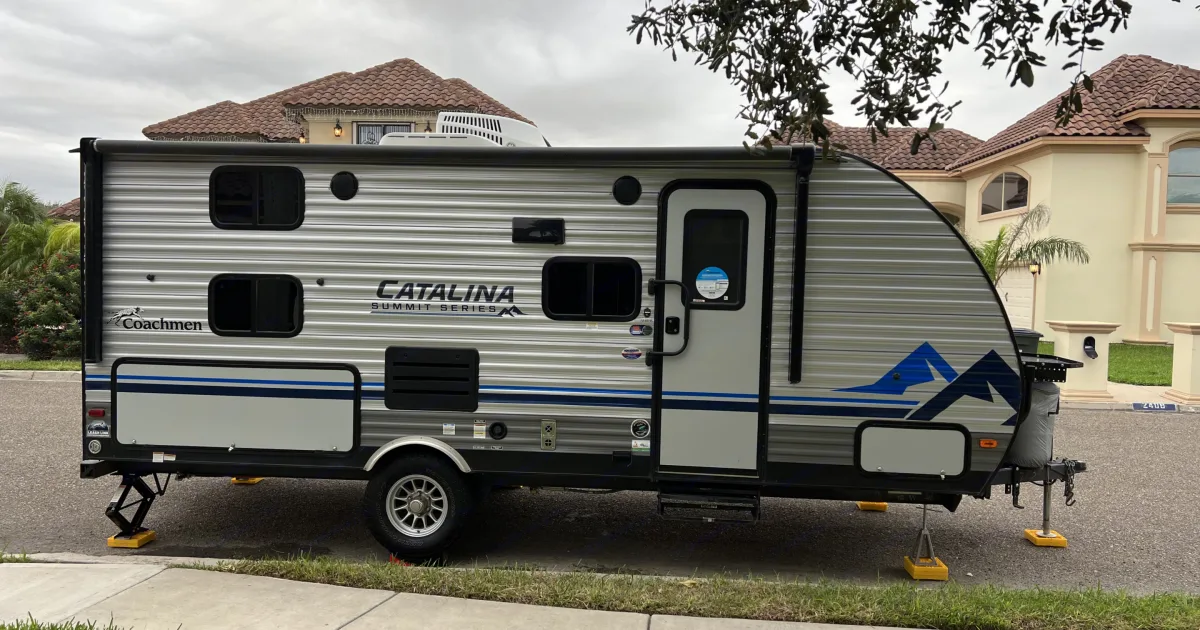
Coachmen Catalina Summit 184BHS
Travel Trailer · 22 ft · sleeps 6
4,200 lbs dry · Towable
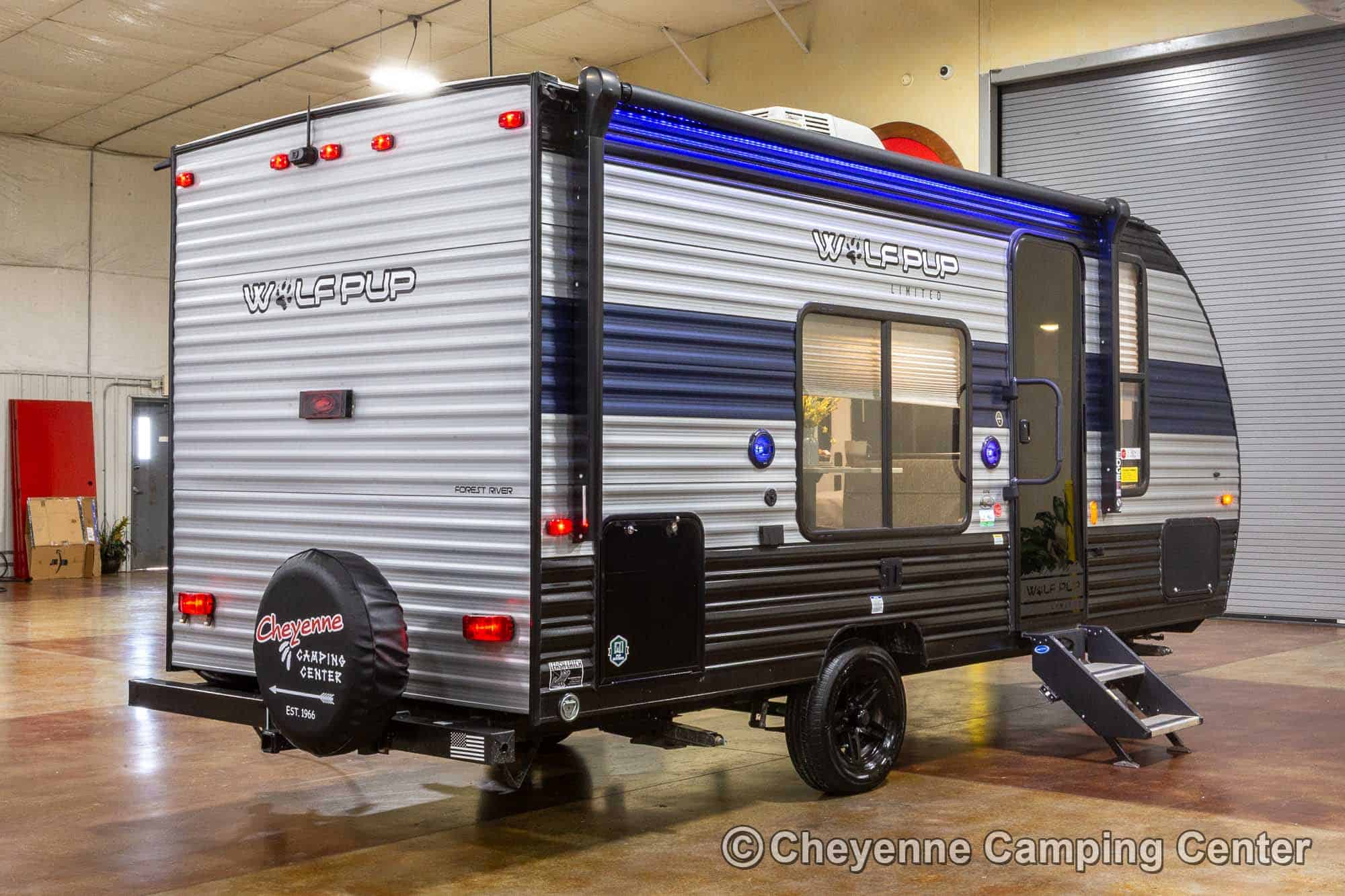
Forest River Cherokee Wolf Pup 16FQ
Travel Trailer · 21 ft · sleeps 4
3,800 lbs dry · Towable
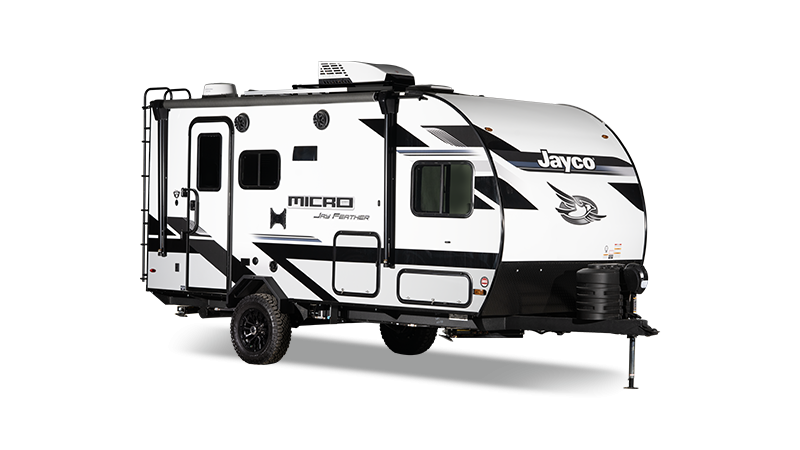
Jayco Jay Feather Micro 166FBS
Travel Trailer · 19 ft · sleeps 2
3,100 lbs dry · Towable
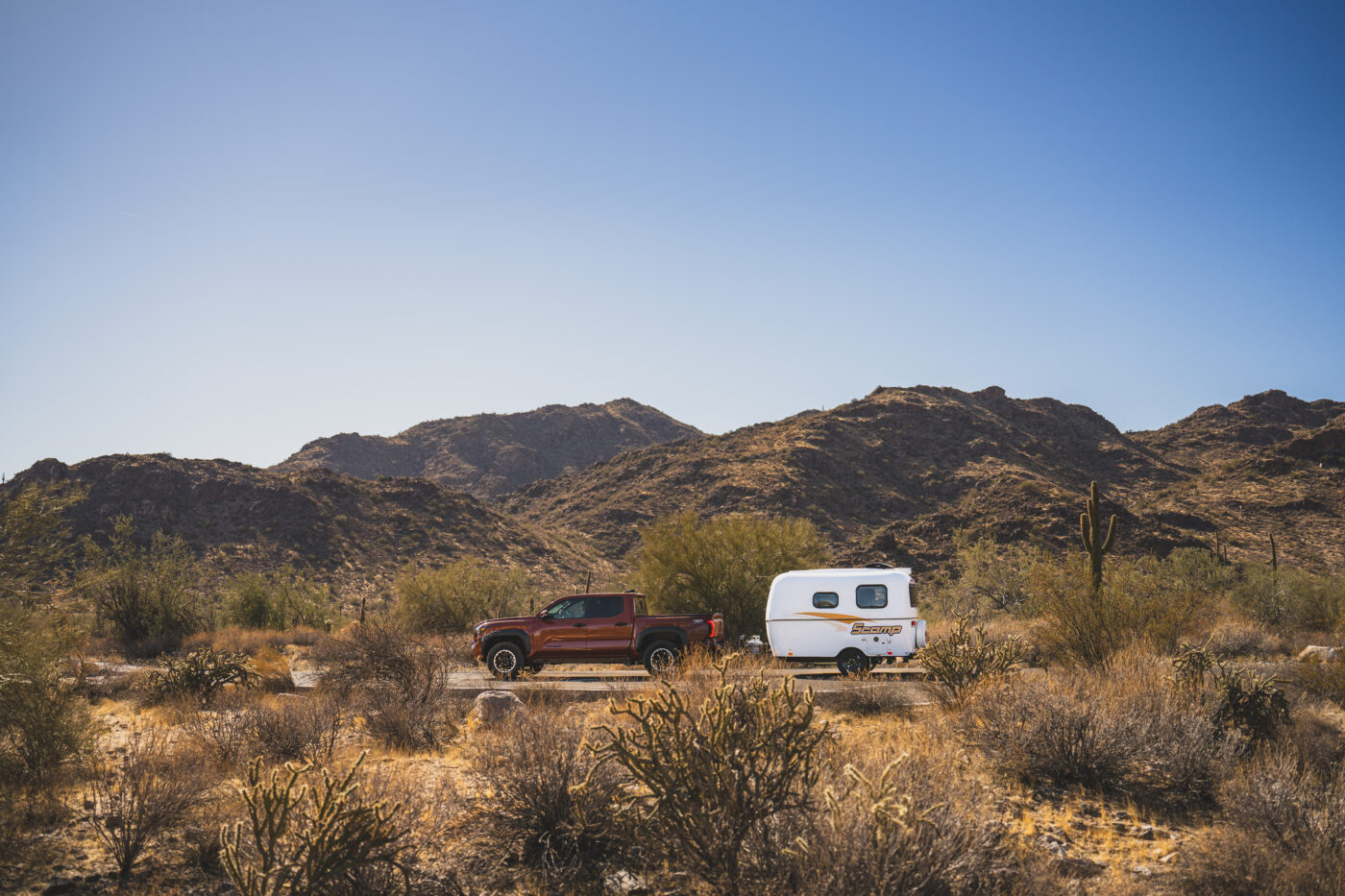
Scamp 13 Deluxe
Travel Trailer · 13 ft · sleeps 3
1,500 lbs dry · Towable
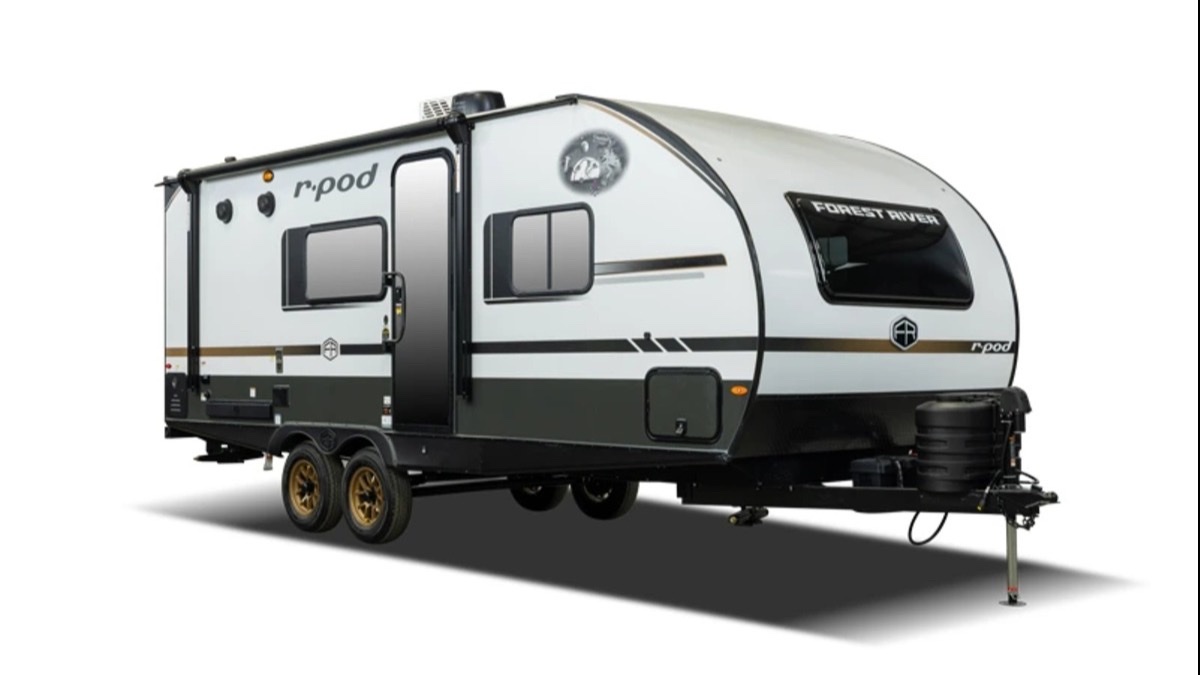
Forest River R-Pod
Travel Trailer · 20 ft · sleeps 3
2,974 lbs dry · Towable
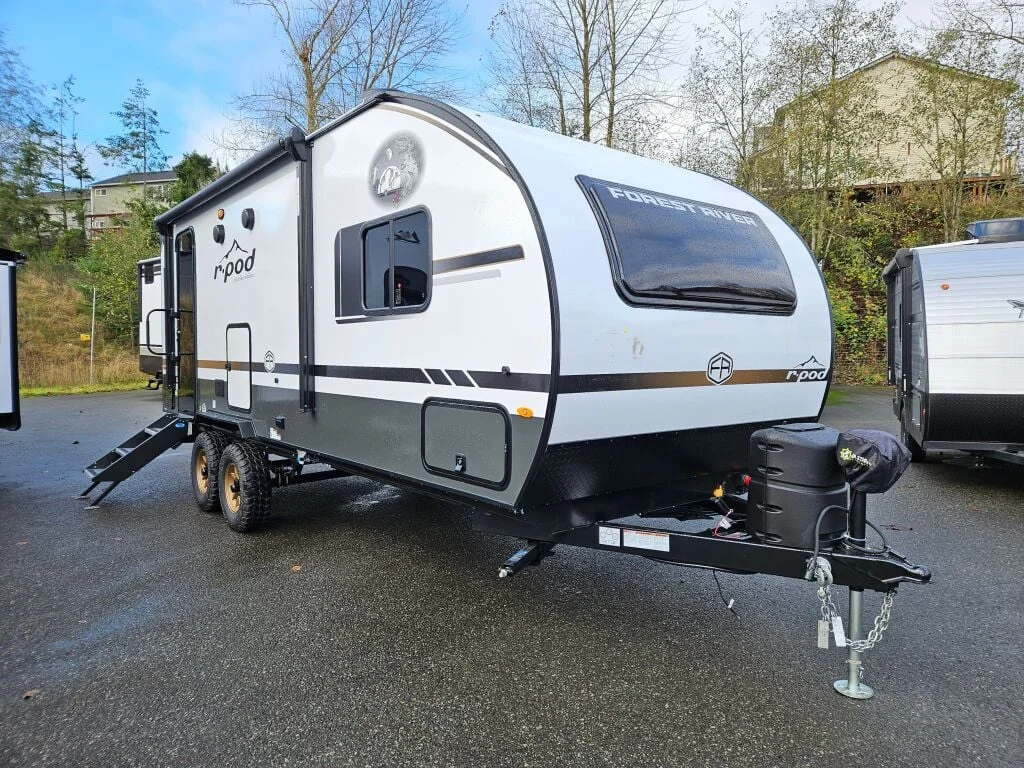
Forest River R-Pod 202
Travel Trailer · 22 ft · sleeps 3
3,800 lbs dry · Towable
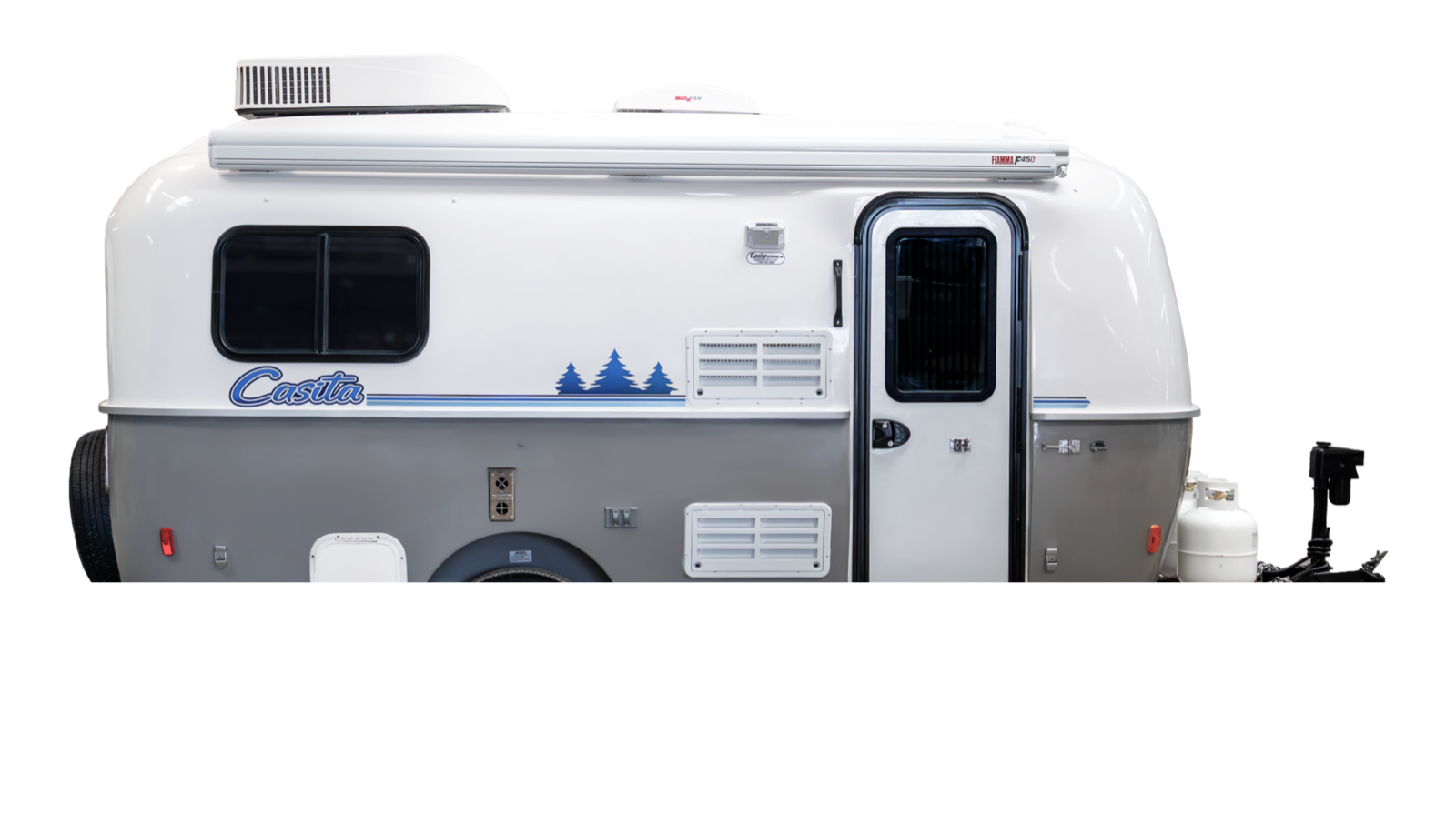
Casita Spirit Deluxe 17
Travel Trailer · 17 ft · sleeps 3
2,480 lbs dry · Towable
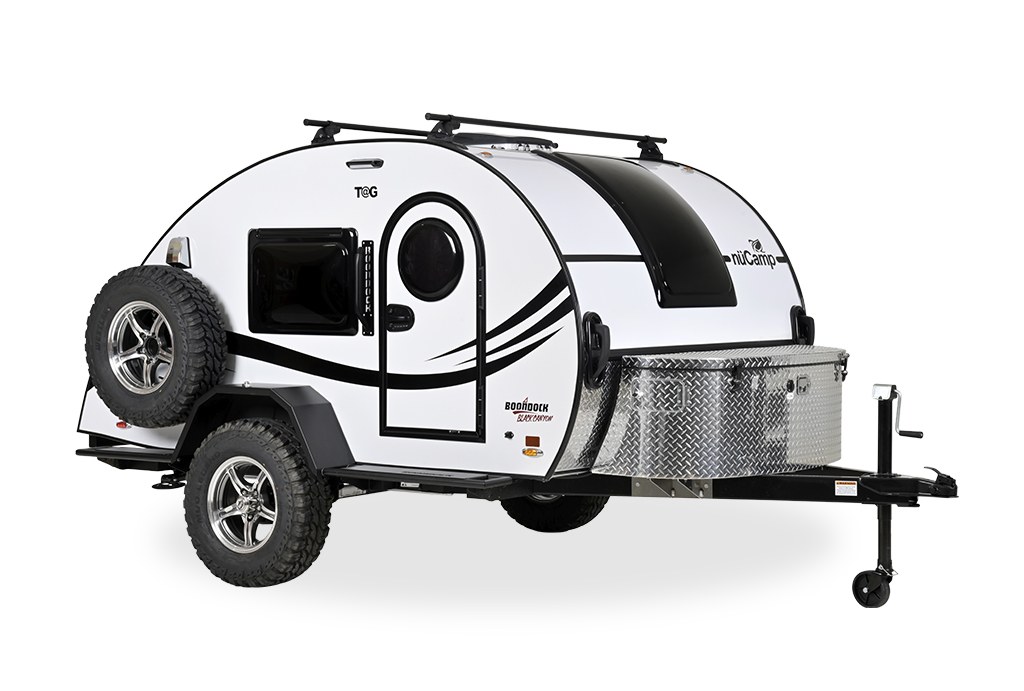
Nucamp TAG XL
Travel Trailer · 14 ft · sleeps 2
1,626 lbs dry · Towable