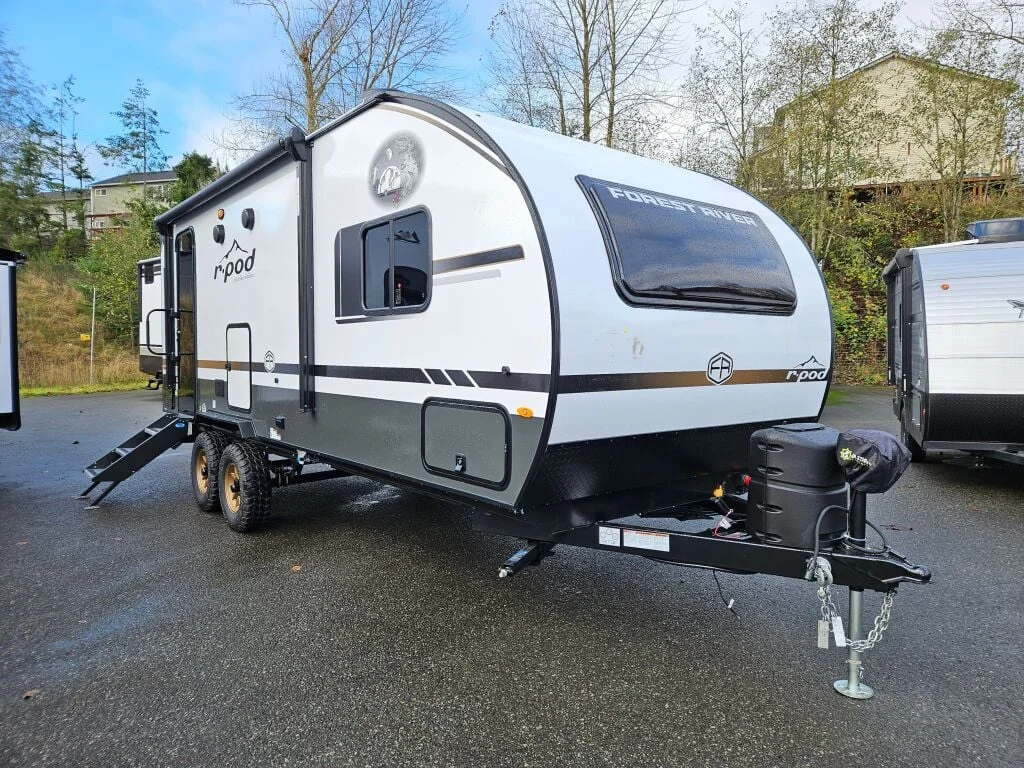
Forest River R-Pod 202
The Forest River R-Pod 202 is a lightweight, aerodynamic travel trailer with a distinctive rounded shape. Easy to tow and maneuver, it's perfect for couple camping and weekend getaways.
MSRP from
$28,000
$$ Mid-Range
Specifications
Length
22 ft
Weight
3,800 lbs
Sleeps
3
Fresh Water
30 gal
Gray Water
26 gal
Black Water
26 gal
Features
Highlights
What owners report
Summarized from Reddit and owner forums — not a first-hand test.
The Forest River R-Pod 202 is the trailer that makes RVing possible without a truck. Its teardrop-influenced shape and very low weight let owners tow it with small SUVs — Highlanders and Xterras pulling it over mountain passes is a recurring story — and the aerodynamics deliver real fuel savings over boxy trailers of the same length. The 202 is a well-liked couples' floorplan with big, easy-access under-bed storage, and the Azdel composite walls resist the water rot that plagues old-school wood-backed trailers. For couples who want a lightweight, affordable, go-anywhere camper, it's one of the most accessible options on the market.
The catch is build quality, and owners don't sugarcoat it: R-Pod ownership is described as a lottery between good units and lemons. The Schwintek slide is the most-cited weak point — going out of square, losing its track, and in some cases the slide frame separating from the wall on the first trip, an issue Forest River has acknowledged. Water intrusion is the other recurring theme, with reports of roof, toilet, and black-tank leaks, panel and cabinetry replacement, and wallpaper delamination. Build details feel budget — breaking drain-pipe supports, weak structure behind the slide wall, small fridge — and as a single-axle wet-bath trailer it asks for disciplined packing and careful tire maintenance.
The R-Pod 202 is best for weekend-and-shoulder-season couples (and small families) who want an ultralight, SUV-towable trailer and are willing to inspect carefully and do some of their own minor repairs. Its closest competitors are other lightweight trailers like the Keystone Passport SL and small teardrop-style campers — against the Passport it's lighter and more SUV-friendly but gives up interior space and has more slide and water-leak risk, and against premium small trailers like an Airstream Bambi it's a fraction of the price with a fraction of the build quality and resale. Buy it for the towability and the price, but inspect the slide and seals like your trip depends on it — because it does.
What owners like
- +It's exceptionally light and easy to tow — owners report pulling the R-Pod comfortably with small SUVs like a Toyota Highlander or Nissan Xterra, even up steep mountain grades, which opens up RVing to people who don't own a truck
- +The teardrop-influenced aerodynamic shape means real fuel-economy benefits over boxy trailers of similar length, a point owners consistently raise as a reason they chose an R-Pod
- +Azdel composite sidewall construction resists water damage and rot far better than traditional wood-backed luan, and owners note it insulates and deadens sound better too
- +The compact footprint fits tight campsites, smaller garages, and spots bigger trailers can't reach, making it ideal for state parks and boondocking off the beaten path
- +It comes reasonably equipped for a small trailer — the 202 includes A/C, a furnace, solar prep, outdoor outlets, and a propane port, so it's genuinely four-season-ish capable for a lightweight
- +The low price and low operating costs (cheap to tow, cheap to store) make it one of the most accessible entry points into trailer camping for couples and small families
Common complaints
- −Quality is genuinely hit-or-miss — owners describe R-Pod ownership as a lottery where some get good units and others get lemons, so a careful pre-delivery inspection is non-negotiable
- −The Schwintek slide is a known weak point: owners report the slide going out of square, losing contact with its track, and in some cases the slide frame separating from the outside wall on the very first trip — a problem Forest River has acknowledged
- −Water intrusion is a recurring theme, with owners reporting roof and toilet leaks, a leaking black tank, rain leaks, and even cabinetry and panel replacement plus wallpaper delamination from water damage
- −Build details feel cheap — owners cite drain-pipe supports breaking, interior trim problems, and inadequate structural support behind the slide-out wall causing it to collapse inward
- −As a single-axle trailer, a tire blowout is more consequential and there's no backup axle, so owners stress tire age and pressure monitoring
- −Some R-Pod floorplans historically shipped without standard A/C, and owners caution to confirm exactly what's included on any given unit since equipment has varied
- −It's a wet-bath trailer in this size, so the toilet, sink, and shower share one cramped space — fine for a weekend couple but a compromise some owners tire of on longer trips
Questions owners ask
Can I tow the R-Pod 202 with an SUV instead of a truck?
How reliable is the slide-out?
Is the R-Pod prone to leaks and water damage?
Does the 202 have air conditioning and heat?
How does the R-Pod 202 compare to a Keystone Passport SL?
Compare the Forest River R-Pod 202
You might also like
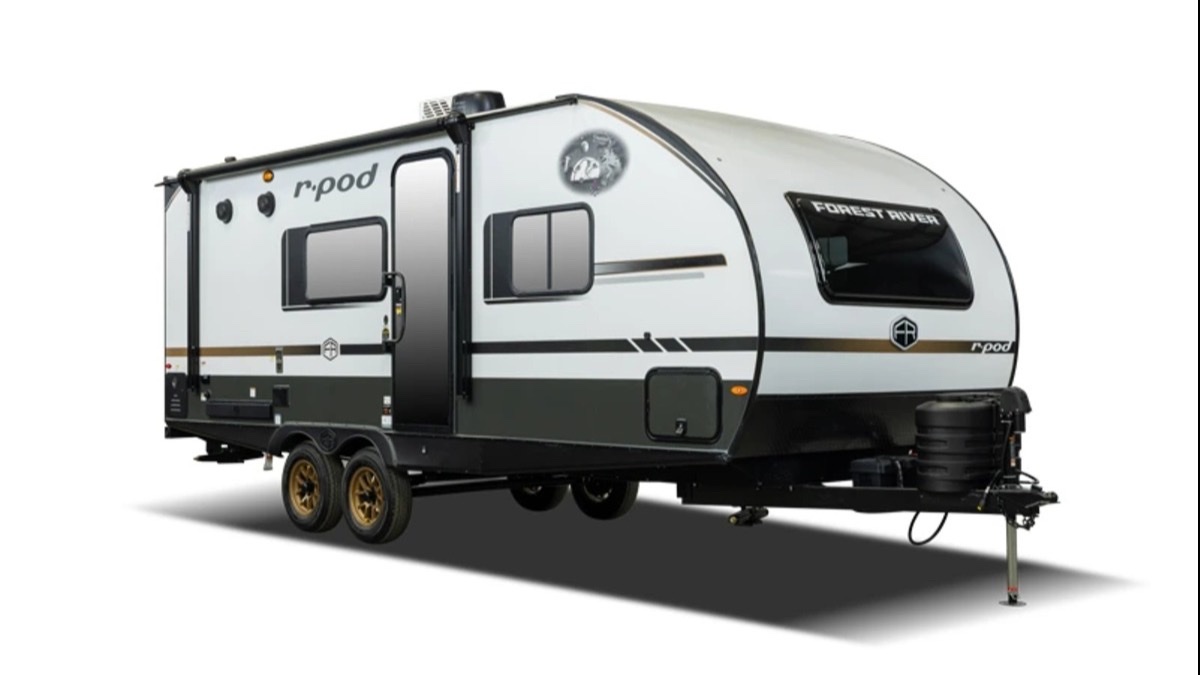
Forest River R-Pod
Travel Trailer · 20 ft · sleeps 3
2,974 lbs dry · Towable
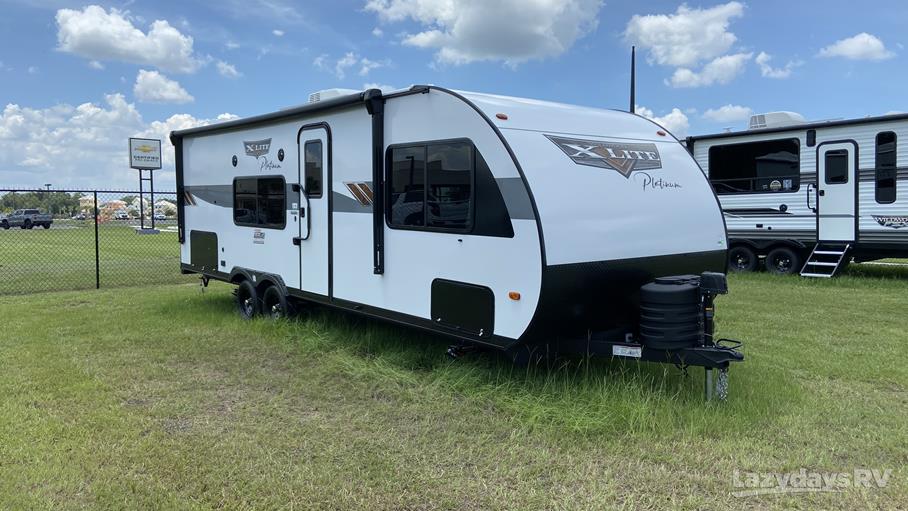
Forest River Wildwood X-Lite 261BHXL
Travel Trailer · 30 ft · sleeps 8
5,800 lbs dry · Towable
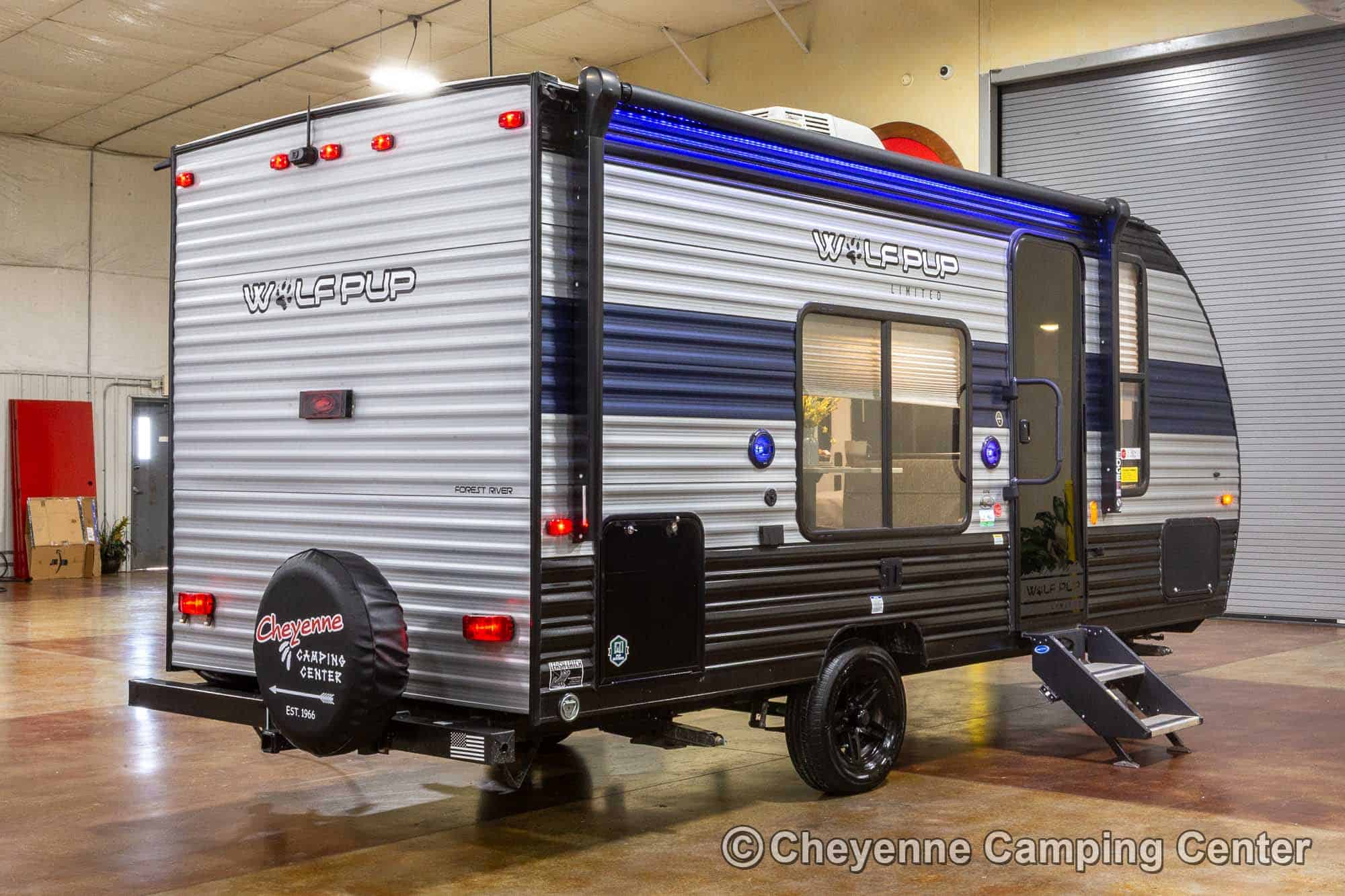
Forest River Cherokee Wolf Pup 16FQ
Travel Trailer · 21 ft · sleeps 4
3,800 lbs dry · Towable
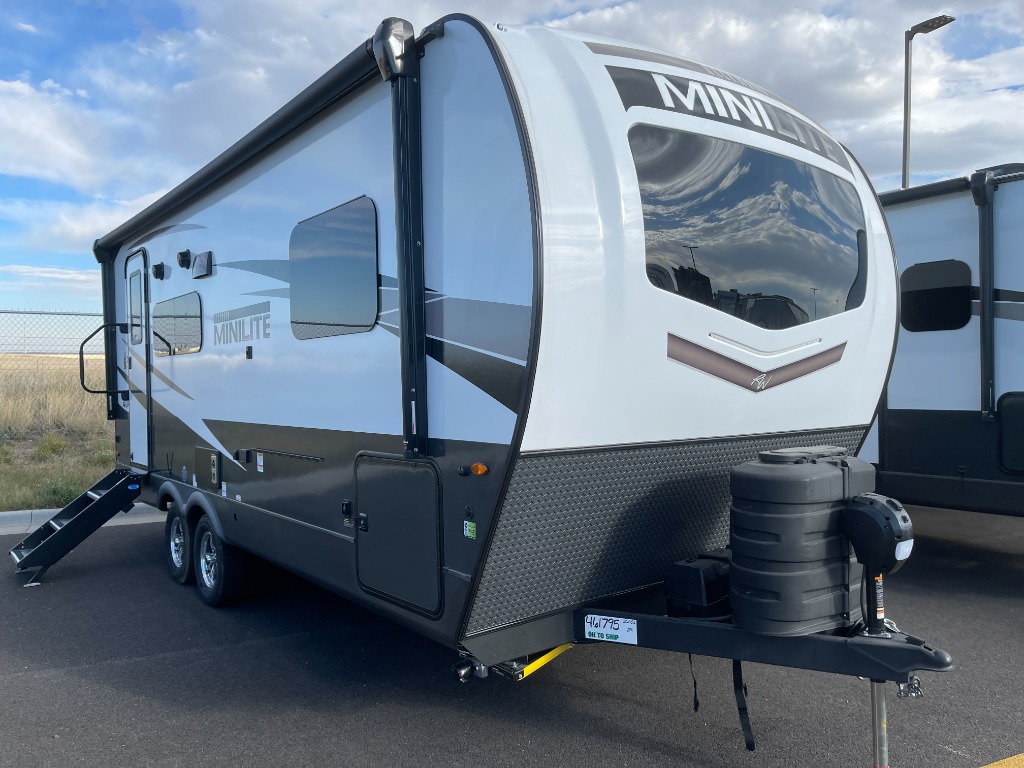
Forest River Rockwood Mini Lite 2205S
Travel Trailer · 24 ft · sleeps 2
5,132 lbs dry · Towable
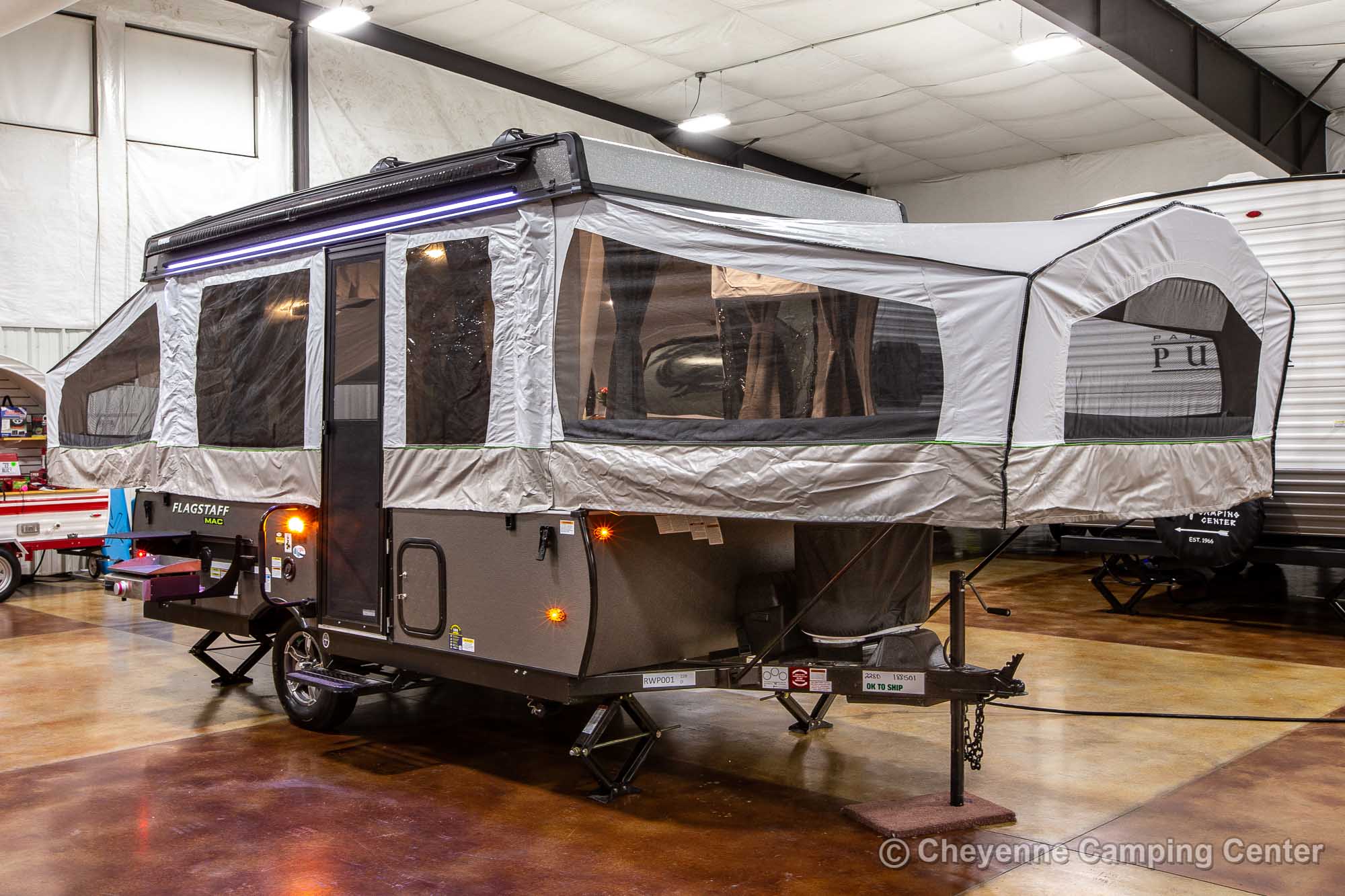
Forest River Flagstaff 228D
Pop-Up · 19 ft · sleeps 6
2,800 lbs dry · Towable
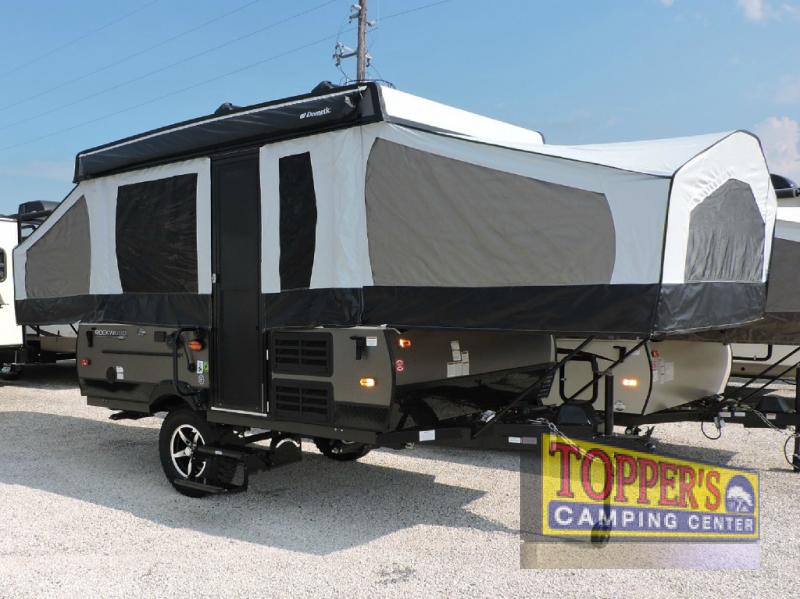
Forest River Rockwood A122S
Pop-Up · 12 ft · sleeps 4
1,800 lbs dry · Towable
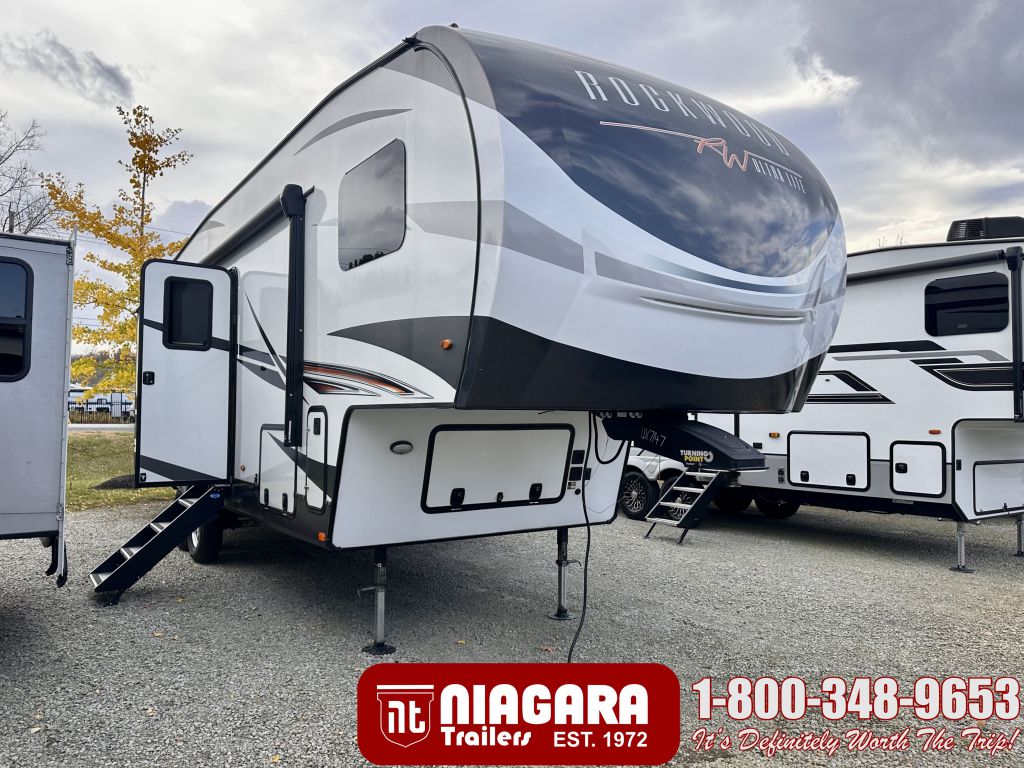
Forest River Rockwood Ultra Lite 2891BH
Fifth Wheel · 33 ft · sleeps 8
9,200 lbs dry · Towable
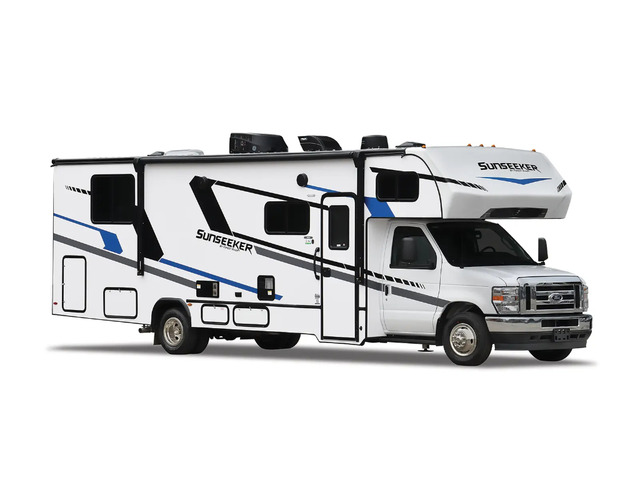
Forest River Sunseeker LE 2350SLE
Class C · 25 ft · sleeps 4
12,000 lbs dry · Motorized