Forest River Cherokee Wolf Pup 16FQ vs Taxa Cricket
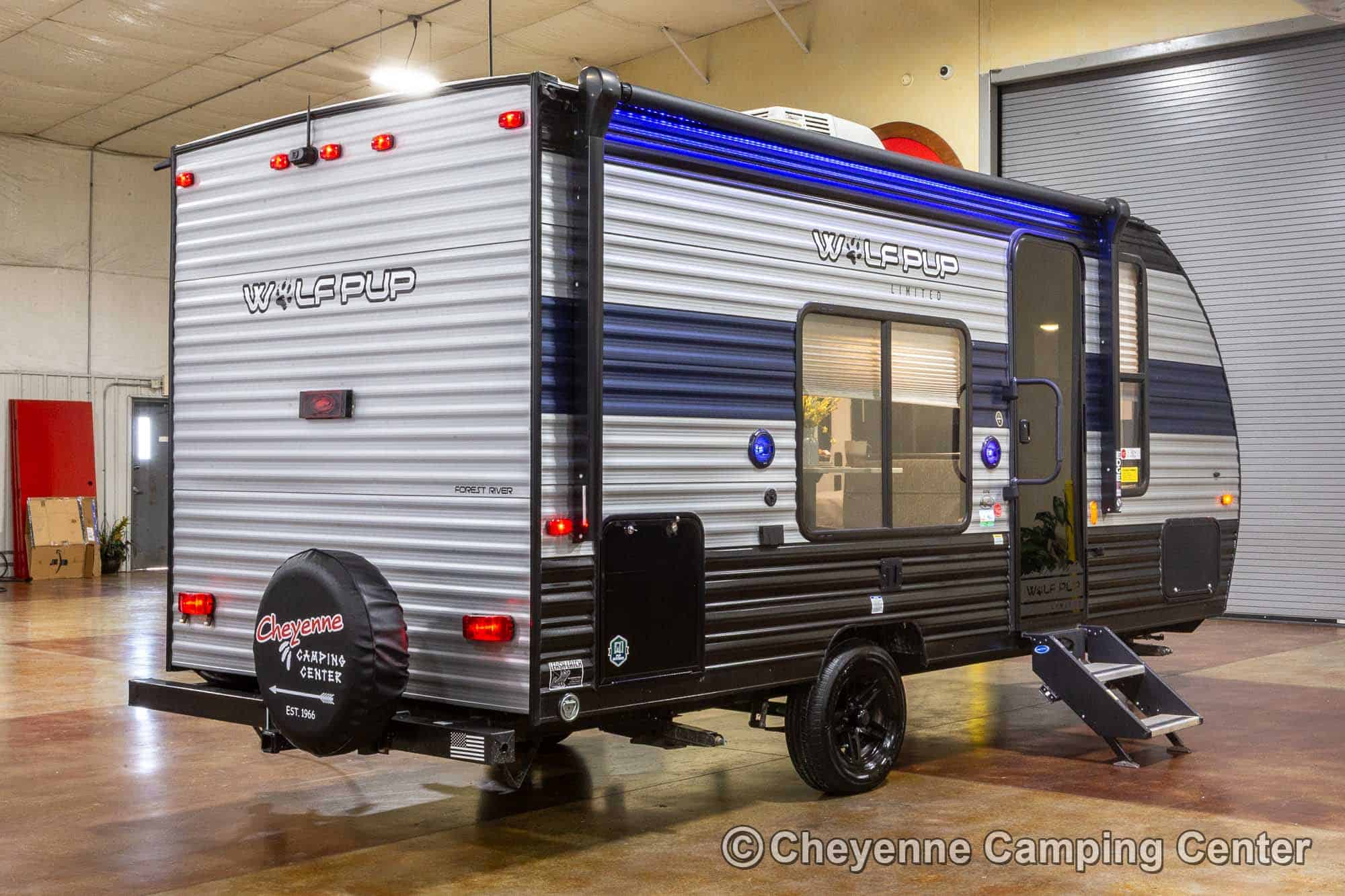
vs
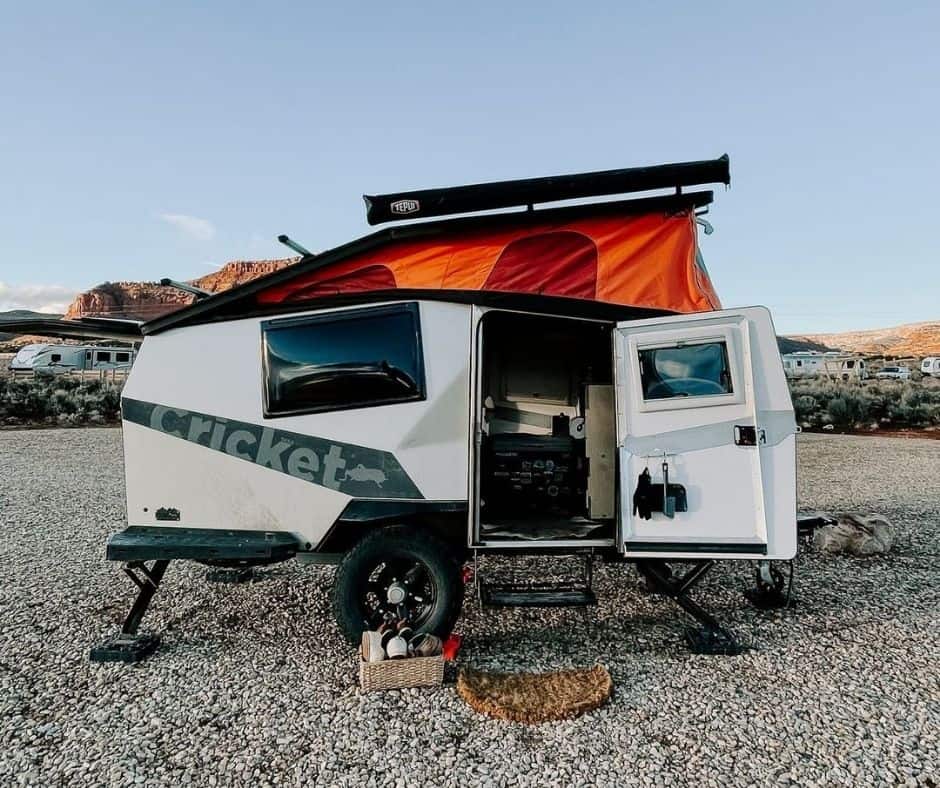
Quick take: The Forest River Cherokee Wolf Pup 16FQ costs $2,000 less; the Forest River Cherokee Wolf Pup 16FQ sleeps more (4 vs 2); the Taxa Cricket is 6 ft shorter and easier to maneuver.
| Spec | Forest River Cherokee Wolf Pup 16FQ | Taxa Cricket |
|---|---|---|
| Price | $22,000 | $24,000 |
| Rating | 4★ (3,600) | 4.1★ (900) |
| Type | Travel Trailer | Travel Trailer |
| Year | 2025 | 2025 |
| Length | 21 ft | 15 ft |
| Weight | 3,800 lbs | 1,700 lbs |
| Sleeps | 4 | 2 |
| Fresh water | 30 gal | 7 gal |
| Slide-outs | 0 | 0 |
| Solar | None | None |
| Four-season | No | No |
| Pet friendly | Yes | Yes |
| Towable | Yes | Yes |
| Chassis | — | — |
Why owners pick each
Forest River Cherokee Wolf Pup 16FQ
- ✓Under $23K — one of the most affordable full-featured trailers available
- ✓3,800 lbs dry weight means most half-ton trucks can tow it easily
- ✓Full bathroom with shower gives it a big advantage over pop-ups
Taxa Cricket
- ✓Designed by a former NASA architect for maximum space efficiency
- ✓Pop-up roof adds standing headroom when parked
- ✓Rear hatch loads bikes and gear directly into the trailer
What owners report
Forest River Cherokee Wolf Pup 16FQ
- ✓At well under 3,000 lb dry it's genuinely light enough to tow with an SUV or even a minivan — one owner pulls his with a 2013 Honda minivan plus sway bar and weight-distribution hitch
- ✓Around $22K it's one of the cheapest ways into a hard-sided travel trailer with a real bathroom, fridge, and bed — a massive step up from tent or pop-up camping
- ✓Packs a surprising amount into a tiny footprint: full wet bath, queen-ish bed, kitchen, and dinette in a trailer short enough to store in many driveways
- ✓Perfect size for two adults or a couple with a kid, and a popular choice for people downsizing from big rigs who are tired of the bulk
- ✓Solar-and-battery-friendly electrical means light boondocking is realistic without a generator, rare in this price class
- ✗It's a budget trailer and feels like one — owners describe interiors that 'look and feel cheap' with the QC misses you'd expect at the price
- ✗Warranty repair issues crop up early: reports of the radio, backup camera, USB ports, and a window all needing replacement on newer units
- ✗A design flaw in the dinette leaves no room for your feet — two table legs plus the wheel-well intrusion mean nowhere to put your feet while seated
- ✗The factory mattress draws consistent complaints and the 'Cherokee Sleep System' bed setup has tripped up some owners
- ✗Overhead lighting is awkwardly placed above the beds, a small but daily annoyance owners call out
- ✗Storage and tank capacities are modest by necessity given the tiny size, so longer off-grid stays mean frequent dumps and refills
Taxa Cricket
- ✓Owners rave about the build quality and rugged engineering — the NASA-engineer pedigree shows in the thoughtful, space-efficient design, and people who've lived in one say the quality beats anything else in the segment
- ✓Light and tiny enough to tow with a 4-cylinder car or small SUV (around 1,800 lbs dry) and to fit inside a standard garage, which is a huge draw for owners short on storage or tow vehicle
- ✓Genuinely capable for dirt-road and overland use — owners take it places they'd never risk a conventional trailer, with ground clearance and a tough build aimed at adventure rather than RV-park hookups
- ✓Pop-up roof gives surprising standing room and headroom when set up, then drops to a low, aerodynamic, easy-towing profile on the road
- ✓All-weather interior kitchen and good ventilation make it usable in a wide range of conditions; owners report comfortable use even camping near freezing in winter
- ✓Sleeps a couple comfortably and can squeeze in two kids with the berth setup, making it a flexible small-family adventure base
- ✗Sparse standard equipment for the price — base Crickets ship without a toilet, no fridge, and no full-size spare, so owners add a portable toilet and accessories and the real cost climbs well above the base figure
- ✗It's expensive for its size — owners and shoppers question paying adventure-trailer money for something this small, especially when several desirable features are options rather than standard
- ✗Tiny living space (around 63 sq ft) means it's tight for two adults and gear; it's an adventure basecamp, not a roomy hangout for bad-weather days
- ✗Pop-up soft sides are less insulated and less secure than hard walls, so cold, condensation, and noise are more noticeable than in a hard-side trailer
- ✗Some owner gripes about design choices like solar being only 'pre-wired' rather than included despite the premium price, requiring more spend to get off-grid ready
- ✗Niche brand with a limited dealer/service footprint, so warranty and repair access can mean shipping to or coordinating with the factory rather than a local shop
- ✗Owners caution that some reported problems are dealer prep or operator error rather than the trailer itself, meaning a careful PDI and learning curve are part of ownership