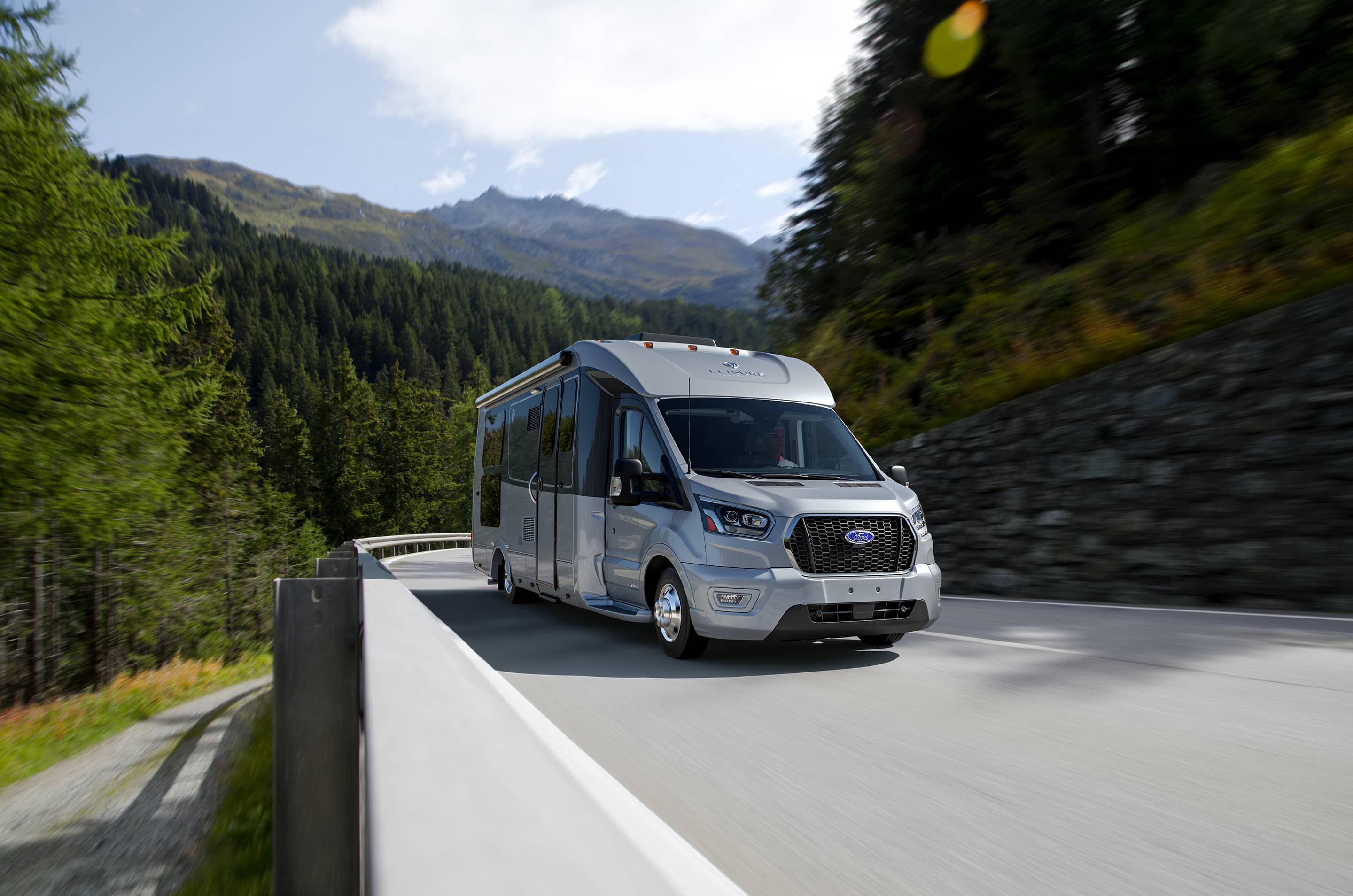
Leisure Travel Vans Wonder RTB
The Leisure Travel Vans Wonder RTB features a unique rear twin bed layout on the Ford Transit chassis. Known for exceptional build quality and innovative Murphy bed system.
MSRP from
$190,000
$$$$ Luxury
Specifications
Length
25 ft
Weight
10,800 lbs
Sleeps
2
Fresh Water
35 gal
Gray Water
22 gal
Black Water
15 gal
Features
Highlights
What owners report
Summarized from Reddit and owner forums — not a first-hand test.
The Wonder RTB is what happens when a small Manitoba builder obsesses over a fiberglass shell while the rest of the industry staples plywood together. Owners describe a coach that feels a class above its price - solid wood cabinetry, soft-close everything, a one-piece molded roof that doesn't leak - wrapped around a practical Ford Transit chassis. The vibe is boutique-premium and grown-up: this is the rig for couples who want hotel-quality finish in a 25-foot package, not a rugged overlander.
In practice the Transit 3.5L EcoBoost and 10-speed drive smoothly and return a respectable 14-17 mpg, with the optional intelligent AWD adding cold-weather and light-trail confidence. The rear-twin-bed layout is the RTB's signature: two singles that combine into a near-king, sitting over a cavernous pass-through garage that swallows e-bikes and gear. The enclosed shower and separate lavatory are genuinely usable, and four-season insulation makes shoulder-season trips comfortable. The recurring sour note is service - owners on ltvforum.com and iRV2 praise the product but vent about being routed back to the Winnipeg factory for warranty rework while dealers and LTV trade blame.
It's for couples with the budget for a forever coach who value build integrity and resale over square footage or off-grid range. At roughly $190k it sits well above the Mercedes-based Winnebago View/Navion, and shoppers genuinely debate whether the fiberglass shell and finish are worth the gap. Versus a Pleasure-Way or a Sprinter View, the Wonder trades a little fuel economy and 4x4 capability for a bigger garage, AWD availability on gas, and that LTV resale halo - a trade most owners say they'd make again.
What owners like
- +Owners consistently rank LTV's molded fiberglass shell above competitors - the vacuum-bonded aluminum-framed sidewalls and one-piece domed fiberglass roof simply don't develop the leaks and delamination that plague stick-and-staple Class C builds
- +The rear twin beds convert to a 64"x76" near-king, and owners love that you can keep two singles for solo sleepers or combine them - far more flexible than the fixed cabover beds on a Coachmen or Sunseeker
- +Built on the Ford Transit 3.5L EcoBoost V6 with the 10-speed automatic, owners report 14-17 mpg and genuinely confident highway manners, and the optional intelligent AWD adds light off-pavement and snow capability the Sprinter-based crowd pays a premium for
- +Genuinely premium fit and finish - solid wood cabinet doors, soft-close hardware, Corian-style counters, and real residential touches that make it feel a tier above the Winnebago View/Navion at a similar price
- +Compact 25-foot footprint that owners say drives more like a big van than a motorhome, fitting most standard parking spaces and many state-park sites
- +Excellent four-season insulation and a genuinely usable enclosed shower with a separate lavatory across the aisle - rare in this size and a real upgrade over the cramped wet baths in budget Class Bs
Common complaints
- −Customer support gets the most heat - owners on the LTV forum and iRV2 report being told to drive the coach back to the Winnipeg factory for warranty rework, with dealers and LTV pointing fingers at each other
- −Documented Transit chassis issues - one owner reported oil leaking from engine gaskets requiring a three-week Ford repair, and Transit dealer wait times for the bigger DRW chassis can be long
- −Price is steep at around $190k - you're paying a real boutique premium, and shoppers regularly ask whether the fiberglass shell justifies $40-60k more than a comparably equipped View/Navion
- −Some early-build owners reported numerous accessory and construction failures out of the gate, including one who returned a 2022 RTB within 25 days for factory reconstruction
- −Freshwater capacity is modest for the footprint, so true off-grid stays are limited and owners often add tank-monitor and fill workarounds
- −Dual-rear-wheel Transit is wider and tippier-feeling in crosswinds than a single-rear-wheel van, and the AWD option still isn't a true 4x4 like the Sprinter-based Revel
- −Limited dealer network means service and warranty work can require long drives, and parts for LTV-specific components can be slow
Questions owners ask
Is the Wonder RTB's AWD a real off-road system?
Why does the Wonder cost so much more than a Winnebago View or Navion?
What are the most common warranty complaints?
How is the bed setup for two people?
How does it drive and what's the fuel economy?
Compare the Leisure Travel Vans Wonder RTB
You might also like

Winnebago Revel 44E
Class B · 20 ft · sleeps 2 · 4-season
11,030 lbs dry · Motorized
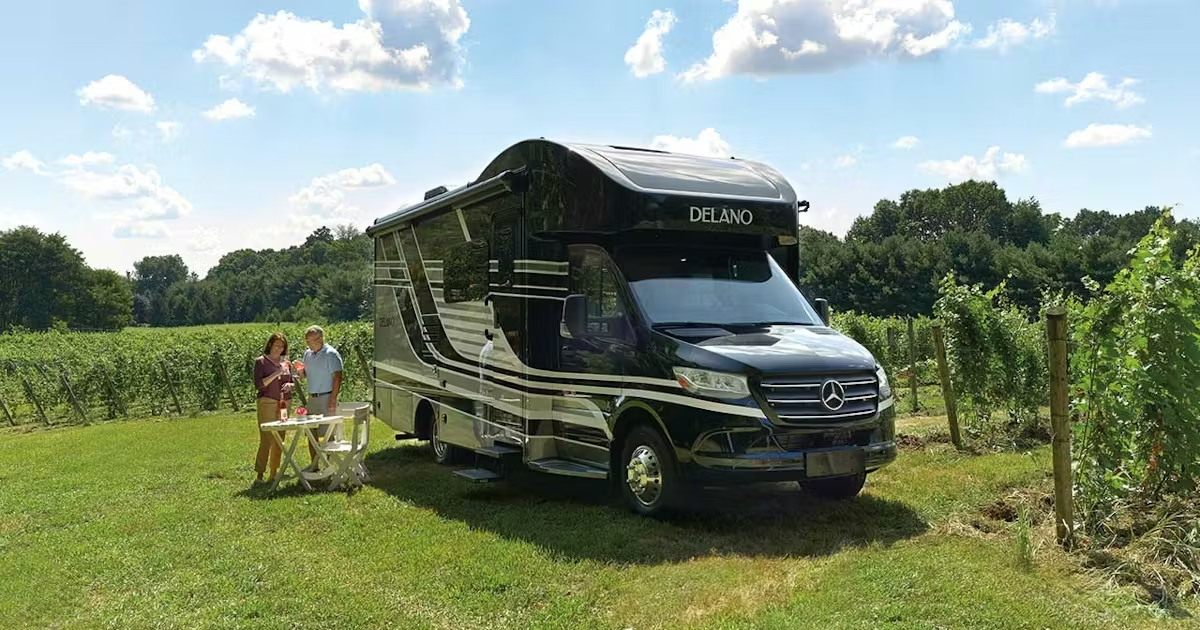
Thor Delano 24FB
Class B · 24 ft · sleeps 2 · 4-season
10,500 lbs dry · Motorized
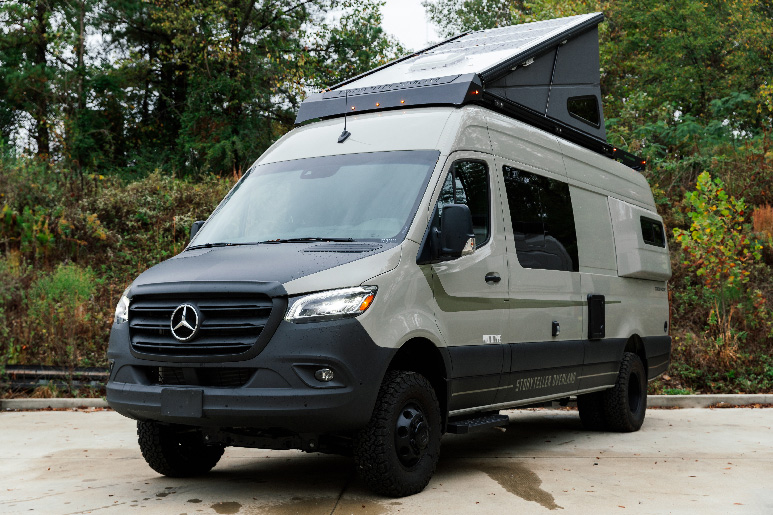
Storyteller Overland Mode LTX
Class B · 19 ft · sleeps 2 · 4-season
10,200 lbs dry · Motorized
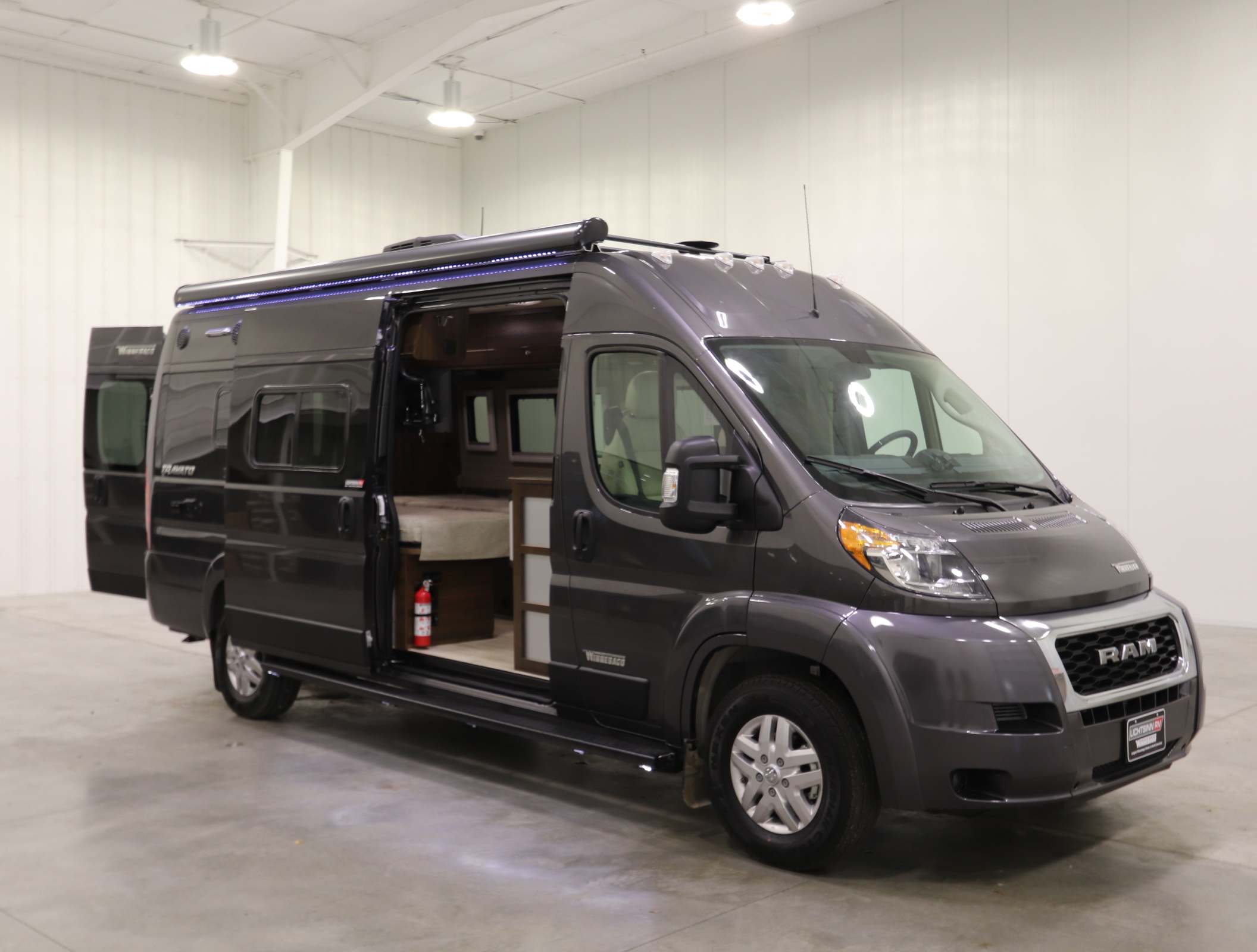
Winnebago Travato 59KL
Class B · 21 ft · sleeps 2
9,100 lbs dry · Motorized
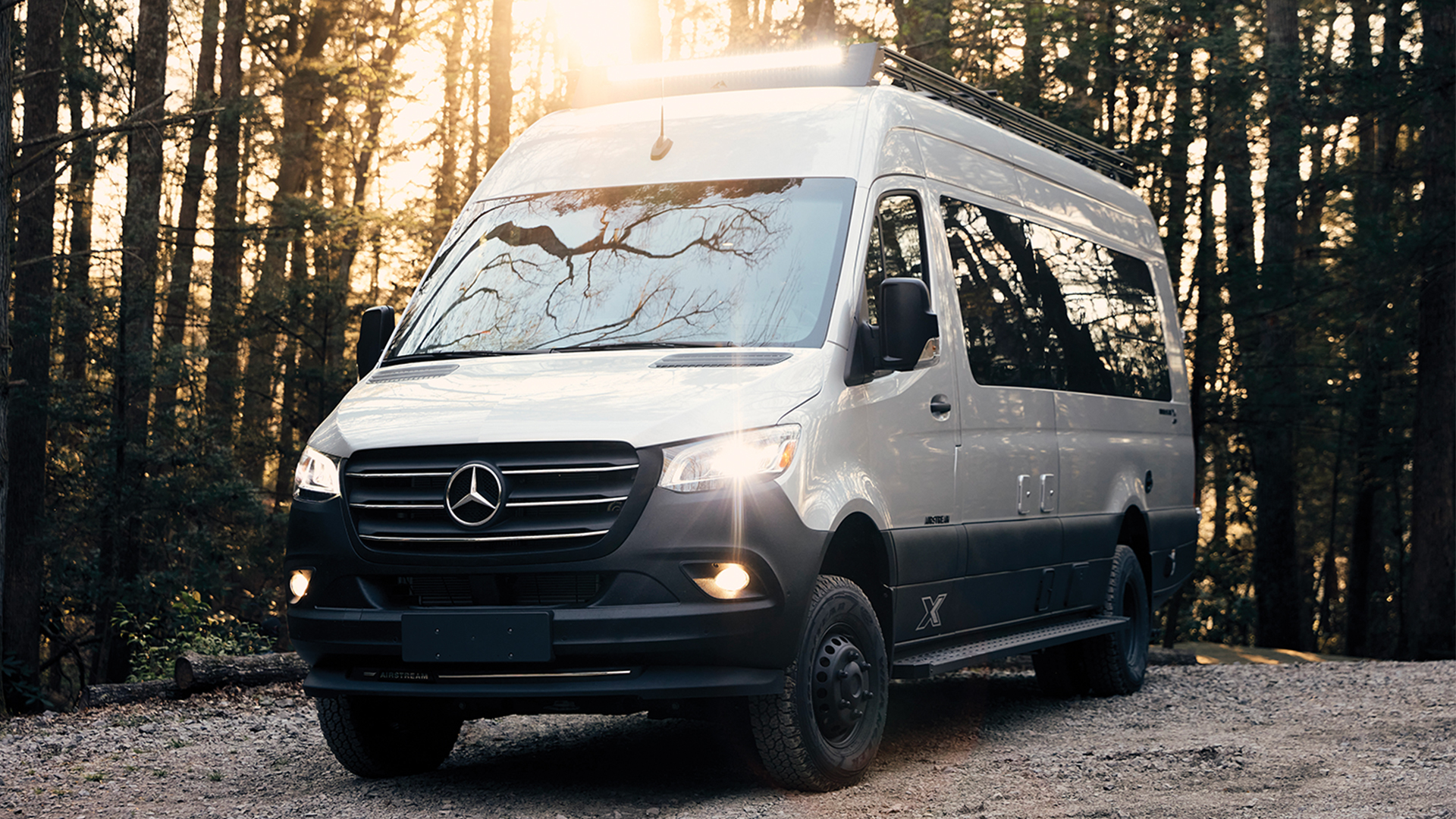
Airstream Interstate 24X
Class B · 24 ft · sleeps 2 · 4-season
10,500 lbs dry · Motorized
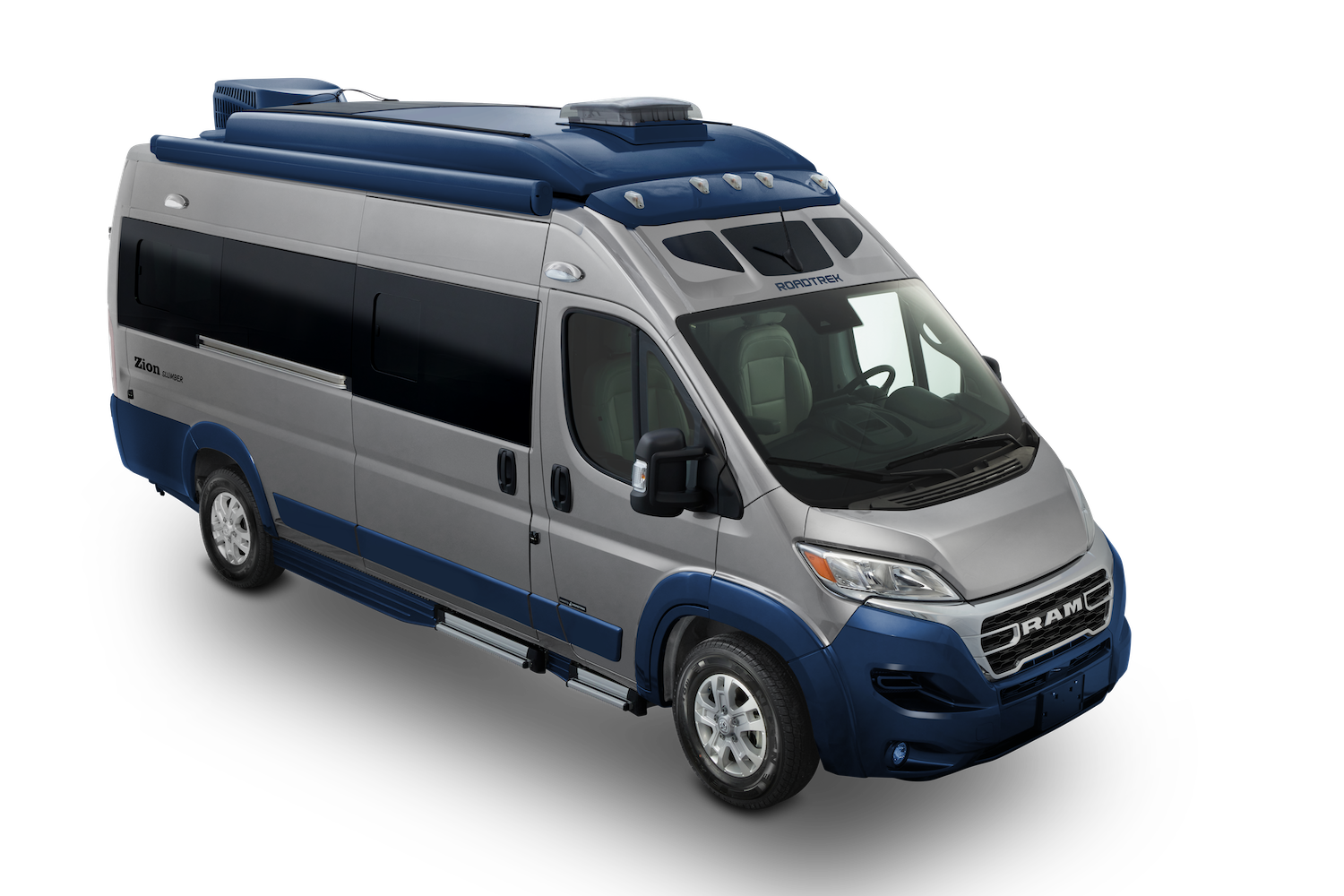
Roadtrek Zion SRT
Class B · 21 ft · sleeps 2
9,200 lbs dry · Motorized
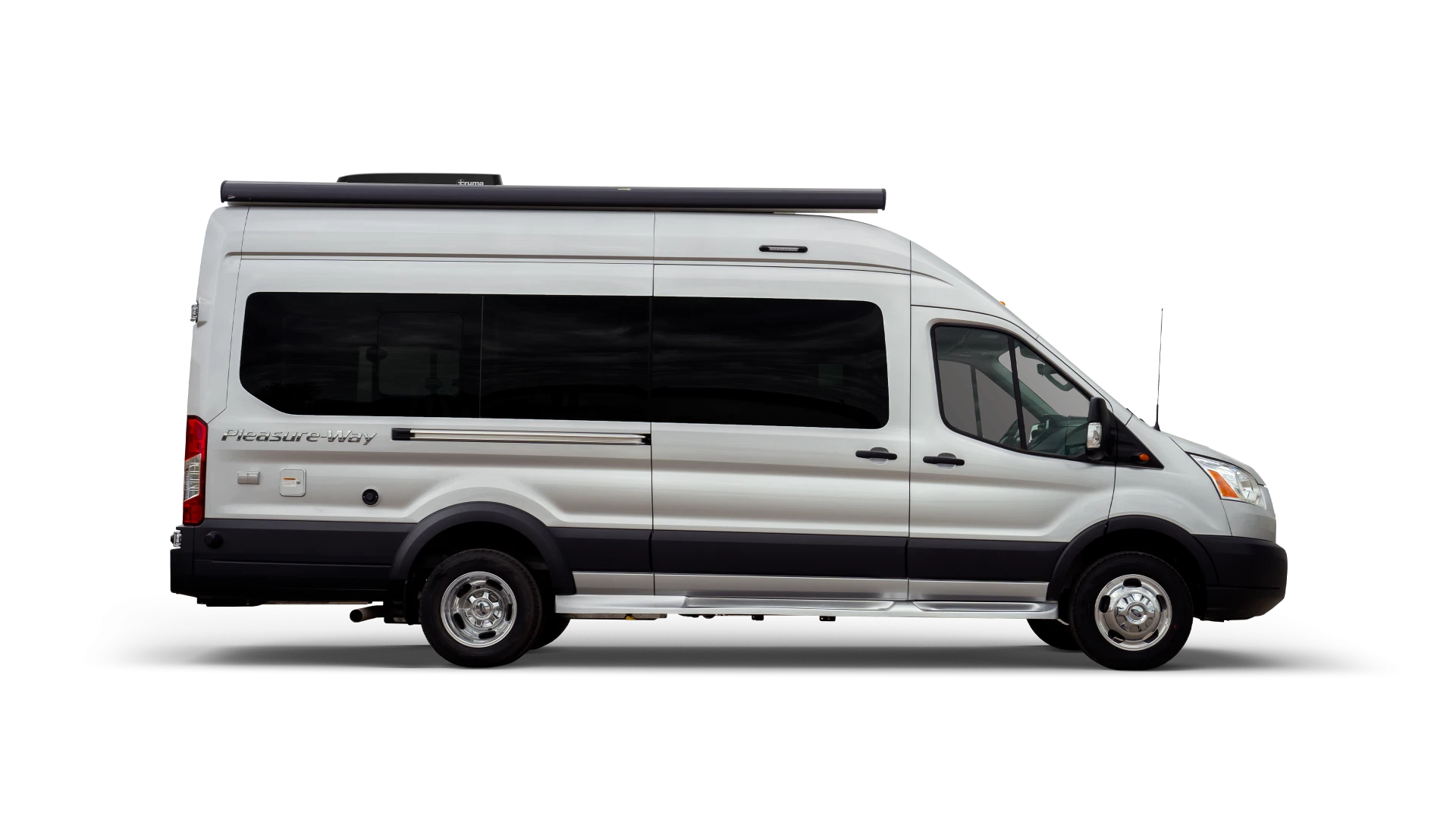
Pleasure-Way Ontour 2.2
Class B · 22 ft · sleeps 2
9,400 lbs dry · Motorized
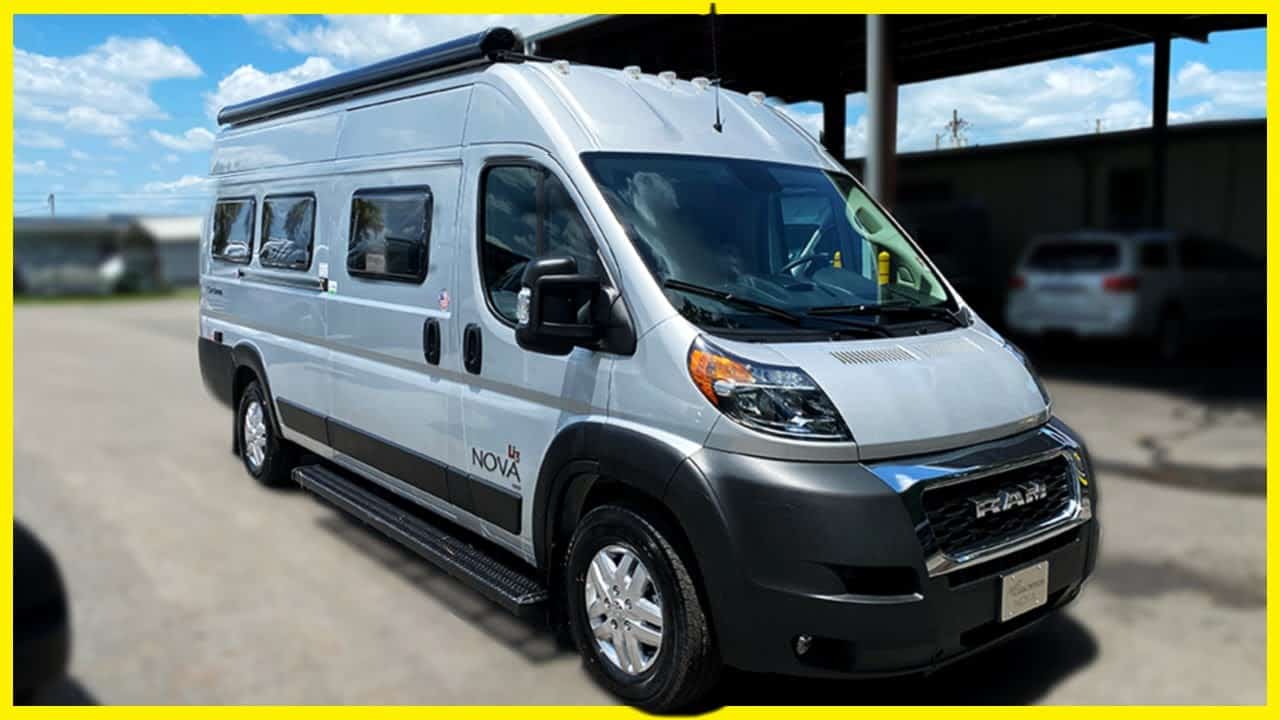
Coachmen Nova 20C
Class B · 21 ft · sleeps 2
9,600 lbs dry · Motorized