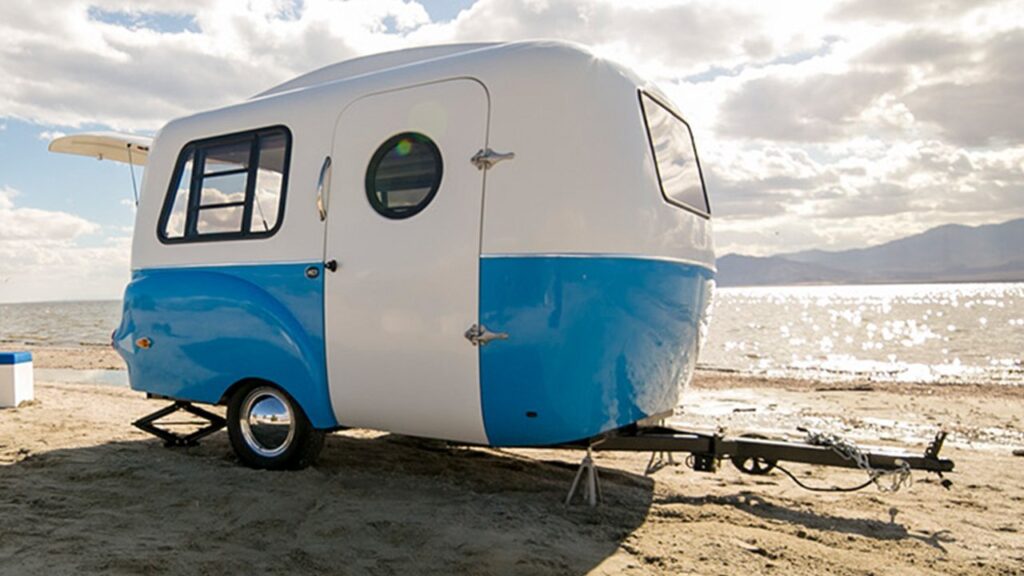
Happier Camper HC1
The Happier Camper HC1 is a retro-styled fiberglass trailer with a modular interior system. Adaptamax cubes let you configure the layout for sleeping, cooking, or gear hauling.
MSRP from
$35,000
$$ Mid-Range
Specifications
Length
13 ft
Weight
1,100 lbs
Sleeps
2
Fresh Water
10 gal
Gray Water
N/A
Black Water
N/A
Features
Highlights
What owners report
Summarized from Reddit and owner forums — not a first-hand test.
The Happier Camper HC1 is the rare RV that's as much a design object as a camper. Its retro molded-fiberglass shell and rainbow of colors draw a crowd everywhere it goes, and the cult following around the brand is a real part of the ownership experience. The standout is the Adaptiv system — interlocking fiberglass cubes that drop into a floor grid so the cabin morphs from bedroom to dinette to cargo hauler in minutes. Owners genuinely love the flexibility and the way a sub-1,200-lb trailer can be towed by almost anything, including small hybrids returning eye-popping fuel economy.
Lived with day to day, it's a clever little thing with real compromises. The fiberglass shell is leak-resistant and wipes clean, the big windows and rear hatch make the tiny interior feel open, and Happier Camper's direct customer service earns consistent praise — important for a niche brand with few dealers. But the modularity that sounds magical can be a daily chore: owners describe shuttling bed toppers into the car each morning to free up floor space, and the HC1 is realistically a 2-person camper despite higher sleeping claims. It's lightly equipped — no built-in bath, modest galley — and not built for cold-weather use, with condensation and limited insulation being common shoulder-season gripes.
The HC1 is for the design-conscious minimalist couple, the weekend adventurer, or the small-vehicle owner who wants something charming, ultra-towable, and flexible — and who isn't trying to live in it full time. The catch is price: at around $35k it's the most-criticized aspect, since the materials don't obviously justify the cost and cheaper modular/teardrop rivals are emerging. Against an Airstream Basecamp (also tiny, also premium, but heavier and pricier with a real wet bath) the HC1 wins on weight, towability, and reconfigurable interior, while the Basecamp wins on self-contained amenities and brand-name resale; against a budget teardrop it's far more flexible but costs multiples more.
What owners like
- +Tiny and light — around 1,100 lbs dry means owners tow it with surprisingly small vehicles; one Maverick hybrid owner reported 24-29 mpg with the HC1 in tow, numbers no conventional trailer comes close to
- +Molded fiberglass shell resists leaks far better than stick-and-staple construction and wipes clean inside and out — owners praise how easy it is to maintain and how it shrugs off weather
- +Big panoramic windows and the wide rear hatch make a tiny space feel open and bright, and let you load bulky gear straight into the cabin
- +Owners consistently report excellent direct-from-manufacturer customer service — Happier Camper helps troubleshoot remotely and points owners to repair shops, which matters for a niche brand
- +Holds value well in its niche — the cult following and limited production keep used HC1 prices strong relative to mass-market teardrops
Common complaints
- −Price is the loudest complaint by far — at around $35k for a tiny trailer, owners and shoppers call it 'way overpriced' given the fiberglass shell and modest materials, with cheaper stripped-down rivals now appearing
- −It's genuinely small — really a comfortable 2-person space; the '4-sleep' claims require kids and a lot of reconfiguring, and a couple living in it full-time will feel the squeeze fast
- −The modular cubes are great in theory but a chore in practice — owners report having to move bed toppers and components into the tow vehicle each morning to reclaim daytime floor space
- −Sparse standard equipment for the money — no built-in bathroom, limited galley, and you add a portable toilet and accessories, so the real out-the-door cost climbs above the base price
- −Niche brand means thin dealer/service network — owners largely deal direct with the factory in California, which is great for support but tough if you need hands-on local repair
- −Used examples surface with the usual small-trailer gremlins — owners have listed non-working heaters and dead turn-signal/blinker circuits, so a used-unit inspection matters
Questions owners ask
Is the Happier Camper HC1 overpriced?
How many people can really sleep in an HC1?
What can tow a Happier Camper HC1?
Does the modular Adaptiv system actually work day to day?
Is the HC1 good for cold weather or full-time living?
Compare the Happier Camper HC1
You might also like
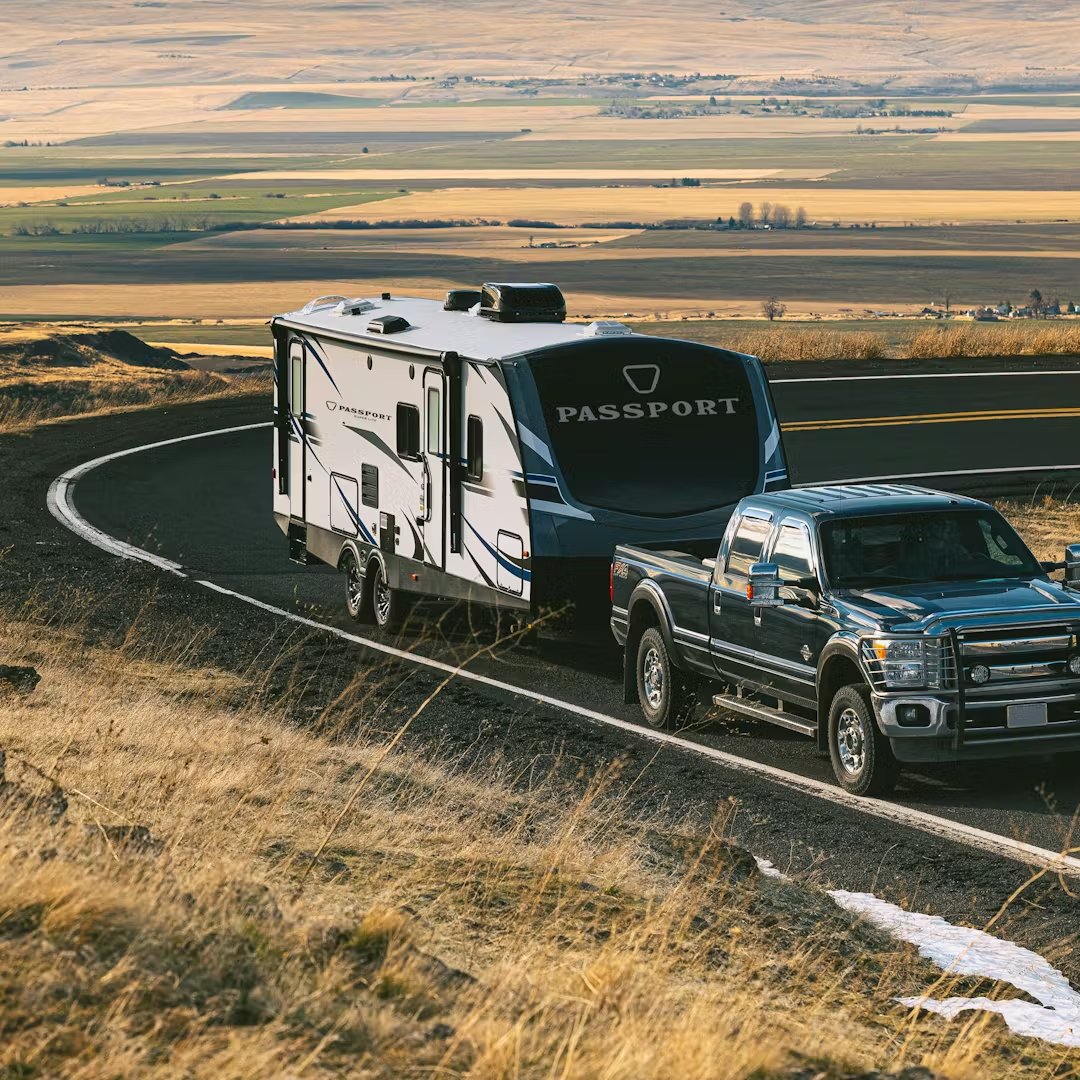
Keystone Passport SL 229RK
Travel Trailer · 26 ft · sleeps 4
5,200 lbs dry · Towable
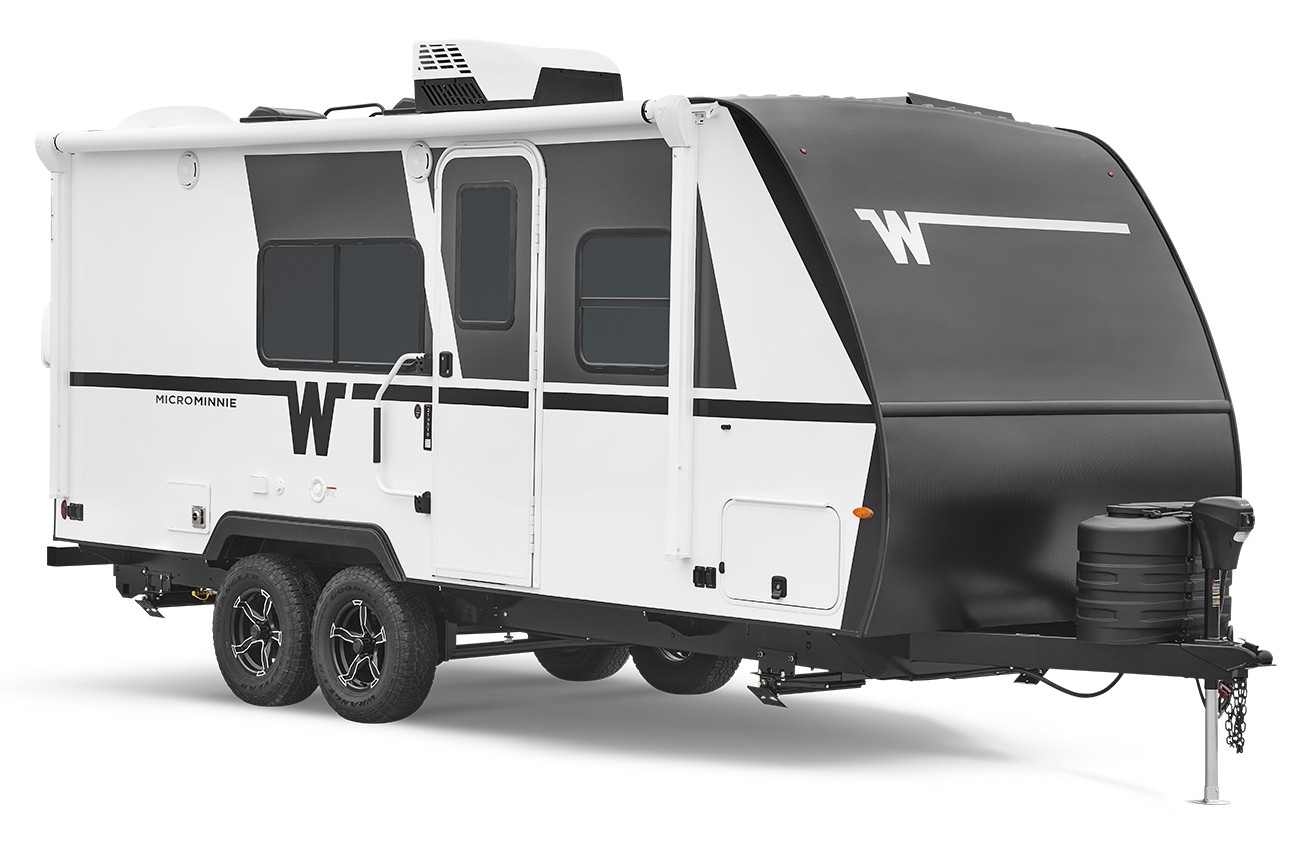
Winnebago Micro Minnie 2108DS
Travel Trailer · 22 ft · sleeps 3
4,291 lbs dry · Towable
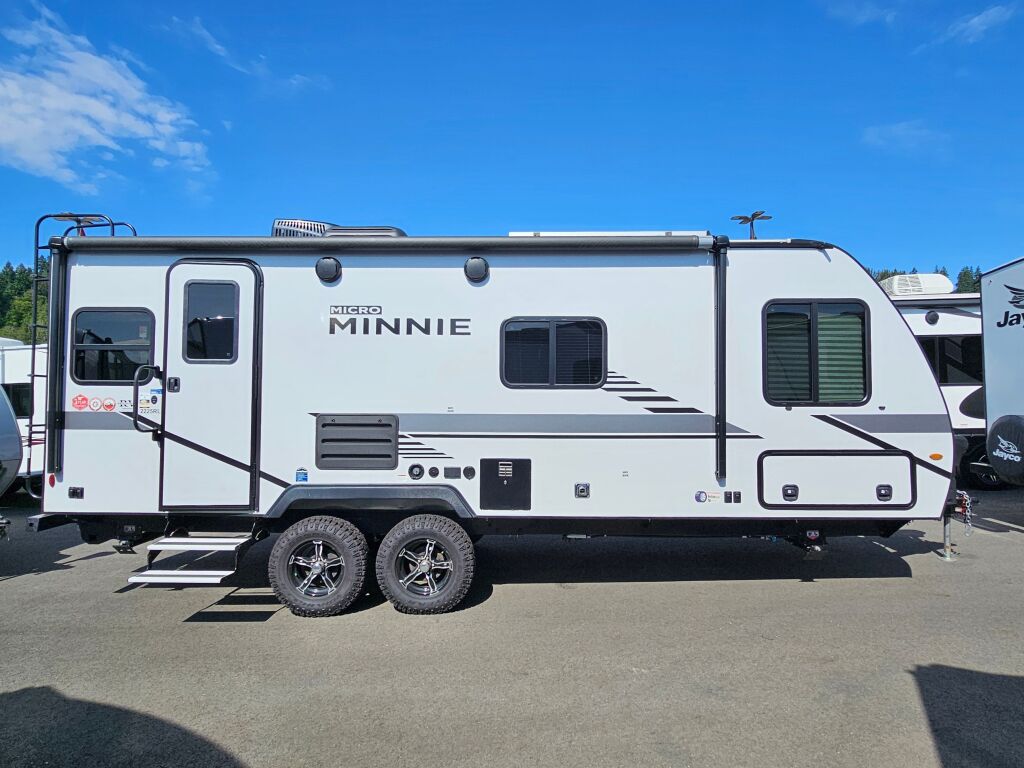
Winnebago Micro Minnie 2225RL
Travel Trailer · 24 ft · sleeps 3
4,400 lbs dry · Towable
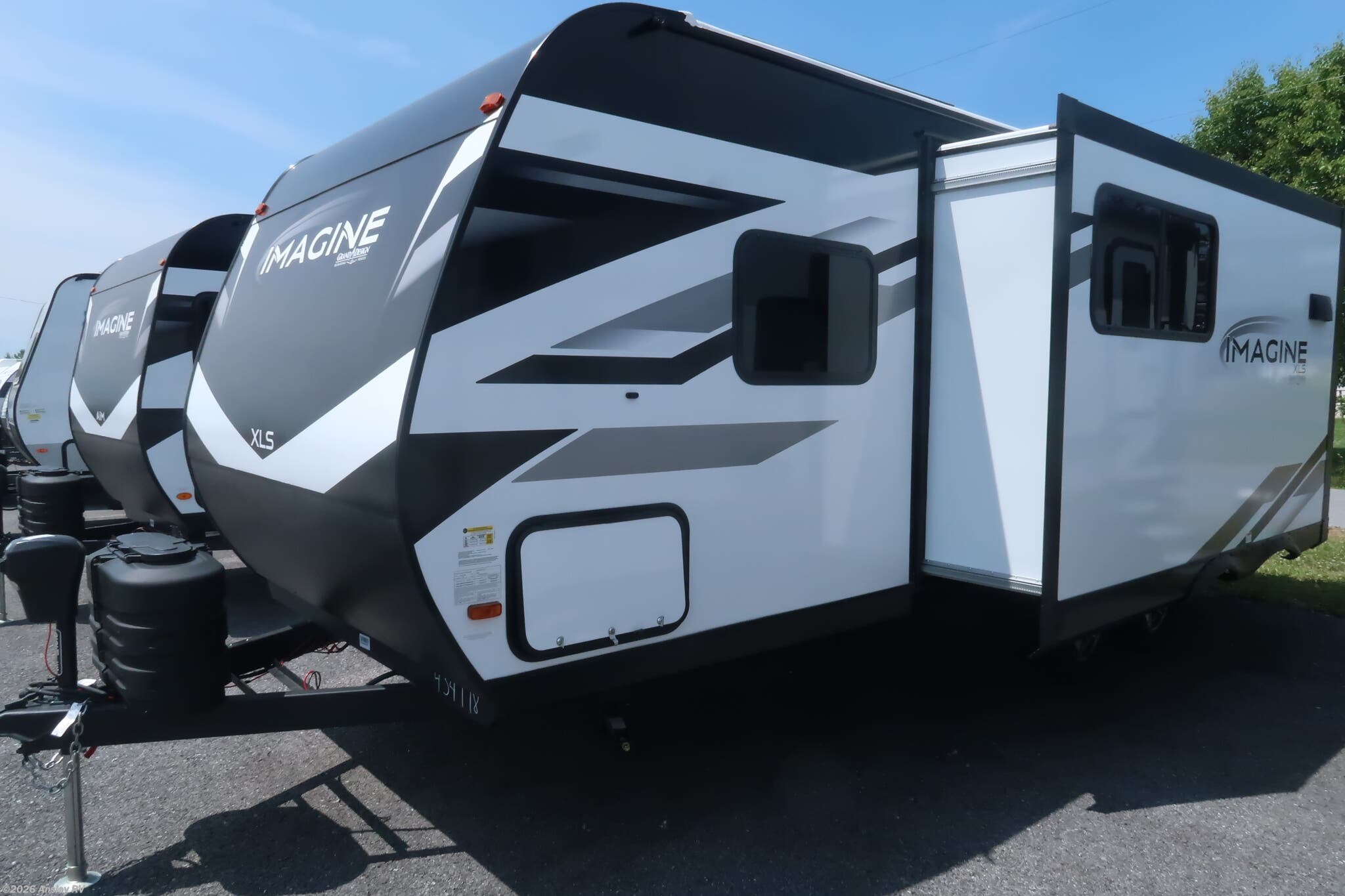
Grand Design Imagine XLS 22MLE
Travel Trailer · 27 ft · sleeps 3
5,200 lbs dry · Towable
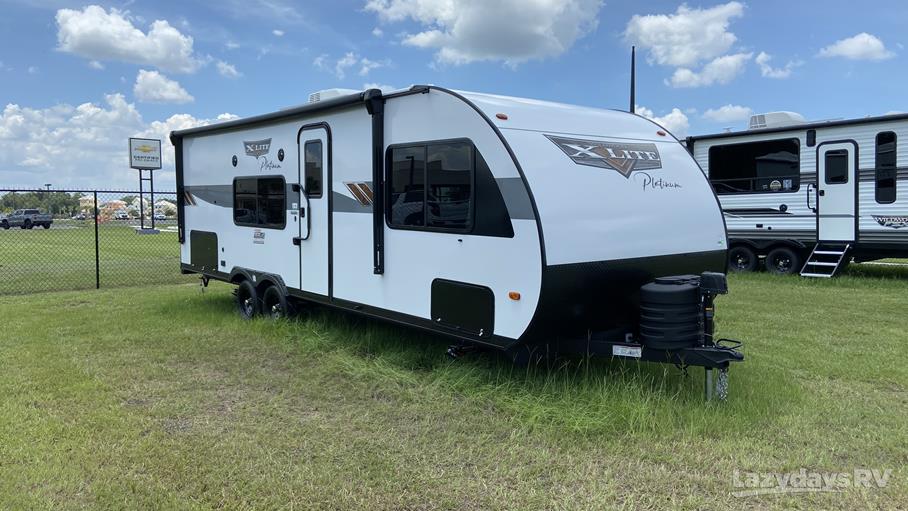
Forest River Wildwood X-Lite 261BHXL
Travel Trailer · 30 ft · sleeps 8
5,800 lbs dry · Towable
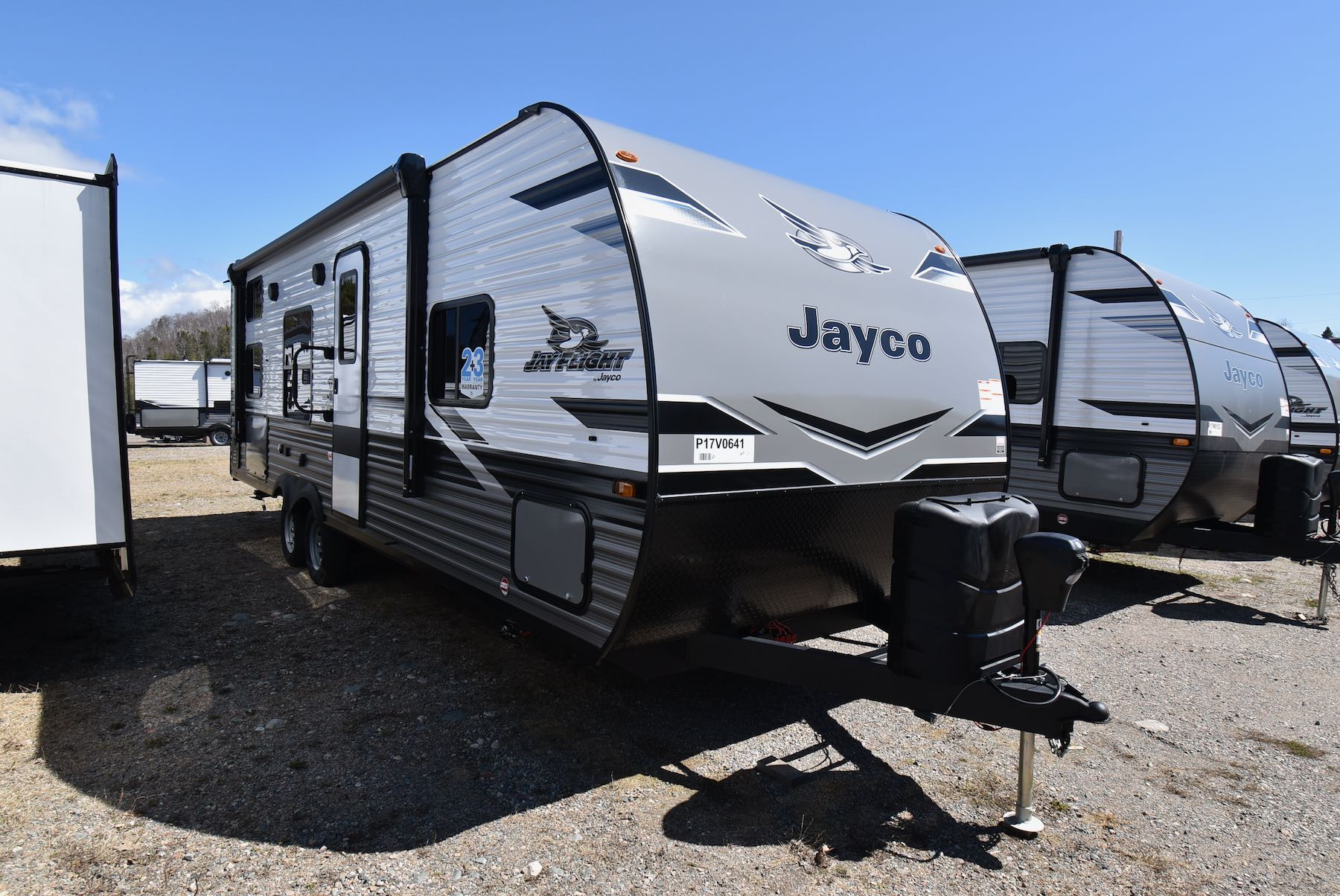
Jayco Jay Flight 264BH
Travel Trailer · 29 ft · sleeps 8
5,500 lbs dry · Towable
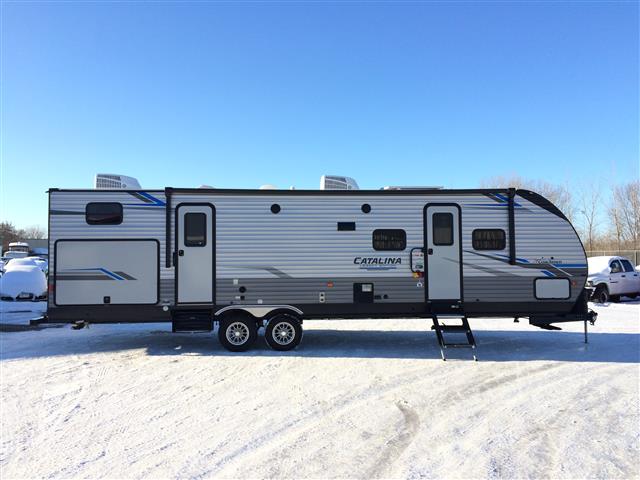
Coachmen Catalina Legacy 323BHDS
Travel Trailer · 36 ft · sleeps 10
7,800 lbs dry · Towable
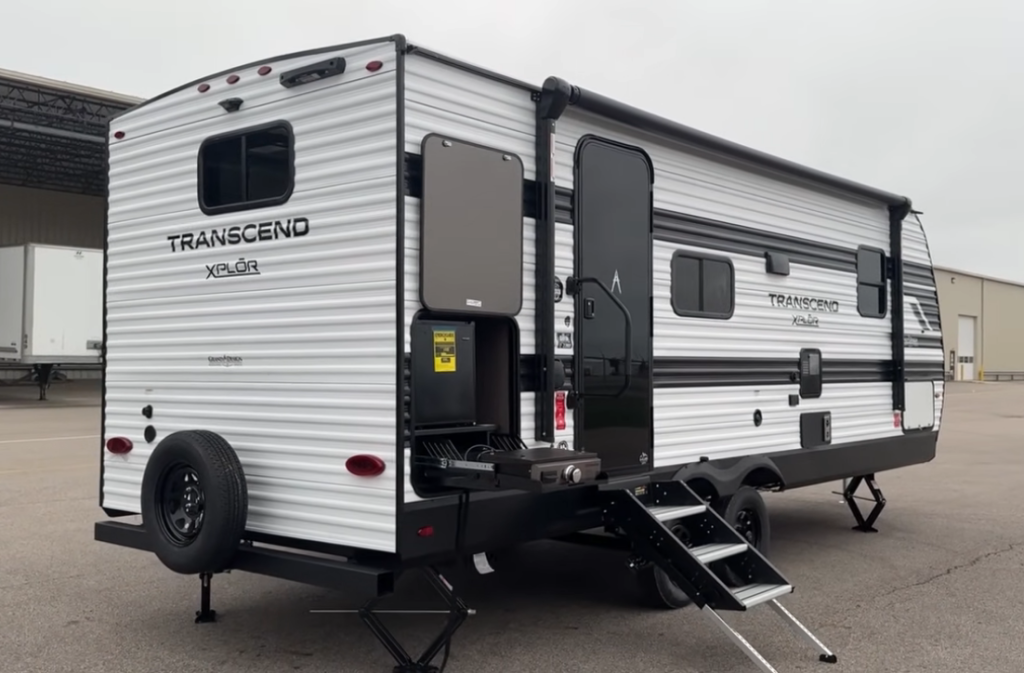
Grand Design Transcend Xplor 221BH
Travel Trailer · 27 ft · sleeps 6
5,400 lbs dry · Towable