Winnebago Navion 24D vs Winnebago Forza 34T
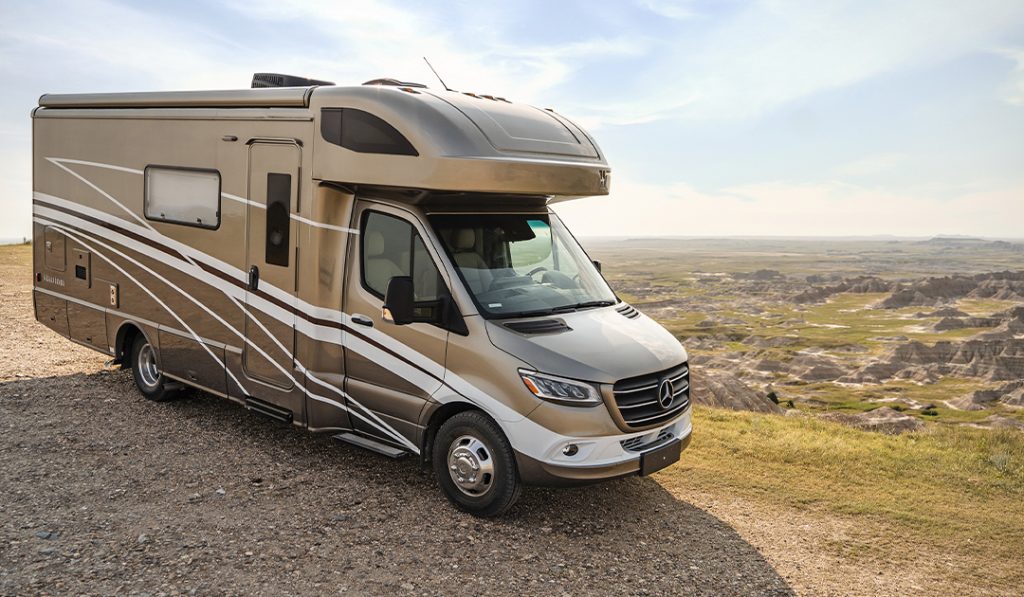
vs
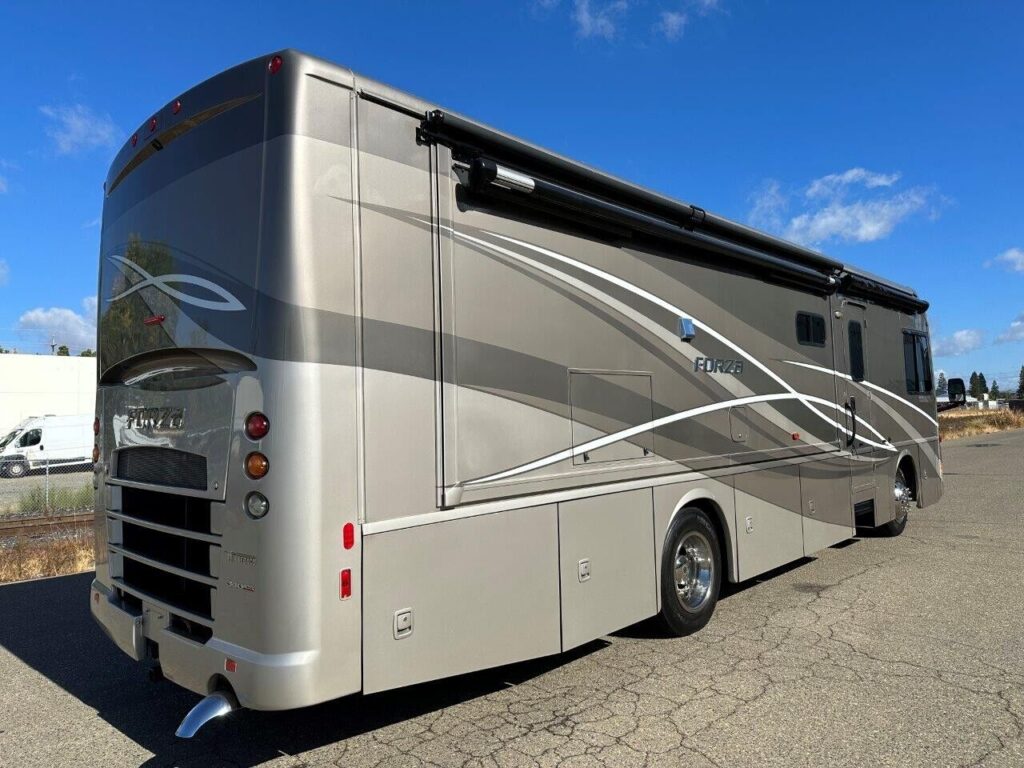
Quick take: The Winnebago Navion 24D costs $90,000 less; the Winnebago Navion 24D is 10 ft shorter and easier to maneuver; the Winnebago Navion 24D ships with more solar (330W vs 200W).
| Spec | Winnebago Navion 24D | Winnebago Forza 34T |
|---|---|---|
| Price | $195,000 | $285,000 |
| Rating | 4.6★ (2,800) | 4.5★ (1,600) |
| Type | Class C | Class A |
| Year | 2025 | 2025 |
| Length | 25 ft | 35 ft |
| Weight | 14,200 lbs | 30,000 lbs |
| Sleeps | 4 | 4 |
| Fresh water | 34 gal | 84 gal |
| Slide-outs | 1 | 3 |
| Solar | 330W | 200W |
| Four-season | Yes | Yes |
| Pet friendly | Yes | Yes |
| Towable | No | No |
| Chassis | Mercedes-Benz Sprinter 3500 | Freightliner XCR |
Why owners pick each
Winnebago Navion 24D
- ✓Mercedes diesel platform delivers 14-18 MPG consistently
- ✓Slide-out expands the living area for comfortable evening relaxation
- ✓Strong resale value makes this a smart financial choice
Winnebago Forza 34T
- ✓Diesel pusher ride quality is dramatically better than gas Class As
- ✓Winnebago build quality in a diesel coach at a competitive price
- ✓Cummins diesel engine is reliable and well-supported
What owners report
Winnebago Navion 24D
- ✓Winnebago's welded steel subfloor and overall structural engineering are a step above the typical value coach, and owners report the cabinetry and Corian-style surfaces feel more upscale than Class C norms
- ✓The 24D's Murphy+ bed layout is a fan favorite - the bed lifts to reveal a lounge/sofa, giving you a big living area by day and a real queen at night without a permanent rear bed eating the floorplan
- ✓Excellent for two people who want to go far and stay a while - the diesel range, efficient tanks-for-size, and 200Ah+ lithium/solar options on newer units make it a strong boondocker and long-hauler
- ✓Holds its value extremely well; the View/Navion twins are among the most sought-after used compact diesel C's, so depreciation is gentler than almost anything from Thor or Coachmen
- ✓Mercedes service network is nationwide and the chassis is shared with countless commercial Sprinters, so routine diesel maintenance is widely available even if RV-specific shops are scarce
- ✓Quieter and smoother on the highway than any F53 gas Class A - no engine doghouse, no V8 roar, and the independent front suspension soaks up bumps the way a gasser never will
- ✗Slide-out reliability is the recurring nightmare - multiple owners report the single slide failing from day one, repeated shop visits over years, and in some cases a full aftermarket slide-mechanism replacement that Winnebago declined to cover
- ✗It's expensive for its size - you pay a serious premium over a comparably sized gas Thor or Jayco Class C, and the Mercedes chassis means pricier parts and diesel-specific service
- ✗Mercedes maintenance and DEF/diesel ownership add cost and complexity: known wheel-speed/ABS sensor failures (around $400+ each), AdBlue, and dealer diagnostic fees that gas-coach owners never face
- ✗The bathroom and shower are cramped and the holding tanks are on the small side - fine for a couple boondocking moderately, frustrating for longer off-grid stays or taller users
- ✗Winnebago's post-warranty support and parts availability draw frequent complaints - owners describe slow responsiveness and difficulty getting parts and clear guidance once coverage lapses
- ✗Some owners flatly call build quality disappointing for the price, citing cheap-feeling trim pieces, the walk-in door latch pulling out of alignment, and a punch list of small defects on a coach that costs as much as a much larger Class A
- ✗Only sleeps four realistically, and with no permanent bed the daily Murphy-bed routine isn't for everyone - couples love it, families will find it tight
Winnebago Forza 34T
- ✓Widely regarded as one of the best entry-level diesel pushers in the industry — owners say it delivers a real diesel-pusher experience without the half-million-dollar price of high-end coaches
- ✓Built on the proven Freightliner XC Series chassis with a Cummins engine, which owners praise as one of the best-supported, best-performing platforms and a breeze to service nationwide
- ✓Cummins power handles mountains well; owners report confident climbing on grades where a gas Class A would struggle and strain
- ✓Real-world fuel economy around 9-10 mpg even while towing a vehicle is strong for a coach this size and far better than a comparable gas Class A
- ✓The 34T floorplan is praised for livability — easy to dine, entertain, and sleep multiple people, with good access to amenities even with the slides retracted
- ✓Diesel-pusher build and components generally outlast gas Class A construction, and the air-ride chassis gives a more planted, premium driving feel
- ✗Lower-compartment leaks are a recurring complaint, especially on the passenger side, letting water into the basement storage bays
- ✗Soft spots in the mid-floor area from insufficient bracing have been reported — a structural gripe owners watch for and sometimes have to reinforce
- ✗Peeling and flaking furniture upholstery is a widespread issue on units up to roughly 2018, a known weak point in the interior materials of that era
- ✗Air-bed mattresses and inconvenient centralized control panels draw owner complaints as everyday annoyances
- ✗Minor fit-and-finish quirks crop up — loose hubcaps, inverter mounting issues, and similar small assembly details
- ✗Diesel-pusher ownership costs more long-term — pricier oil changes, DEF, and chassis service than a gas Class A, which buyers should budget for
- ✗It's still an entry-level diesel pusher, so owners temper expectations — some issues are 'fixable with time and investment' rather than the coach being trouble-free out of the box