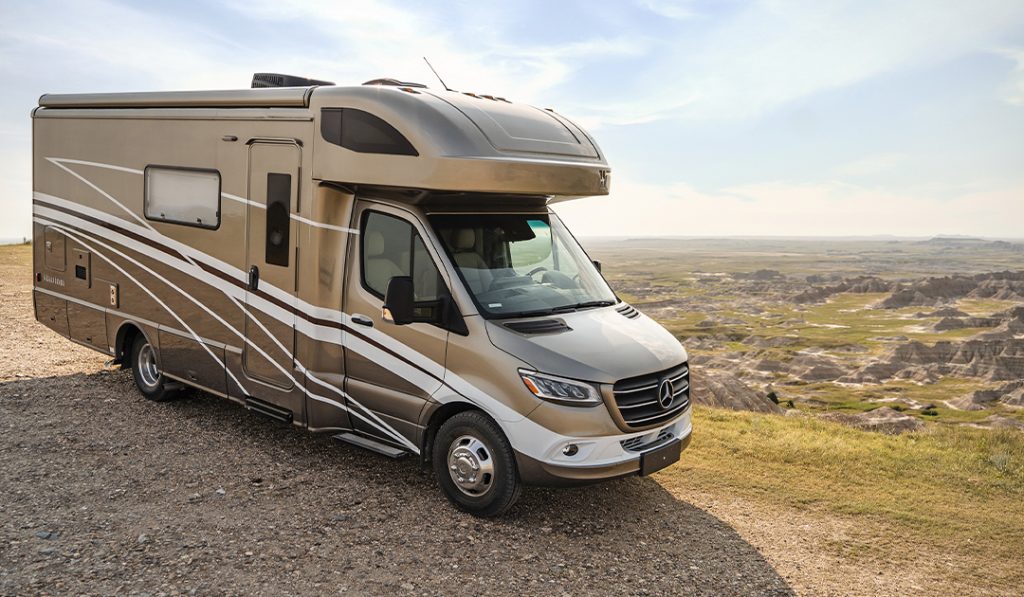
Winnebago Navion 24D
The Winnebago Navion 24D is the diesel sibling of the View, built on the Mercedes Sprinter chassis. Premium build quality, great fuel economy, and a well-designed living space make it a perennial favorite.
MSRP from
$195,000
$$$$ Luxury
Specifications
Length
25 ft
Weight
14,200 lbs
Sleeps
4
Fresh Water
34 gal
Gray Water
37 gal
Black Water
27 gal
Features
Highlights
What owners report
Summarized from Reddit and owner forums — not a first-hand test.
The Winnebago Navion 24D (mechanically identical to the Winnebago View 24D) is the benchmark compact diesel Class C: a 25-foot coach on the Mercedes-Benz Sprinter 3500 dual-rear-wheel chassis that drives like a tall luxury van, returns 14-18 MPG, and packs a clever Murphy-bed living area into a footprint that fits real campsites. It's the antithesis of the gas Class A - efficient, modern, safety-tech-laden, and built to a higher standard than the value brands.
In daily use the Sprinter chassis is what owners fall in love with: turbodiesel torque, adaptive cruise, lane-keep, crosswind assist, and a car-like cockpit make long highway days easy, and the independent front suspension delivers a ride no F53 gasser can match. The 24D's Murphy+ bed is the signature trick - lift the bed and you've got a genuine lounge, drop it and you've got a queen - giving a couple a big living space without a permanent rear bed. The headaches are equally well documented: the single slide-out is the model's Achilles' heel, with owners reporting day-one failures, years of repeat repairs, and Winnebago declining to cover full replacements. Mercedes ownership adds cost (DEF, pricey ABS/wheel-speed sensors, diesel service), the wet bath is tight, tanks are small, and Winnebago's post-warranty support frustrates owners.
The 24D is ideal for a couple who prioritize fuel economy, drivability, and long-range travel over square footage, and who will pay a premium to get the Sprinter chassis and Winnebago's structure. Versus a gas Thor Chateau or Coachmen it's far more expensive to buy and service but a generation ahead in ride, efficiency, and resale; versus a Pleasure-Way or Leisure Travel Vans Unity (also Sprinter-based) it gives up some refinement and slide reliability but costs less and offers more living space. Buy it for the chassis and the layout - just budget for slide gremlins and Mercedes upkeep.
What owners like
- +Winnebago's welded steel subfloor and overall structural engineering are a step above the typical value coach, and owners report the cabinetry and Corian-style surfaces feel more upscale than Class C norms
- +The 24D's Murphy+ bed layout is a fan favorite - the bed lifts to reveal a lounge/sofa, giving you a big living area by day and a real queen at night without a permanent rear bed eating the floorplan
- +Excellent for two people who want to go far and stay a while - the diesel range, efficient tanks-for-size, and 200Ah+ lithium/solar options on newer units make it a strong boondocker and long-hauler
- +Holds its value extremely well; the View/Navion twins are among the most sought-after used compact diesel C's, so depreciation is gentler than almost anything from Thor or Coachmen
- +Mercedes service network is nationwide and the chassis is shared with countless commercial Sprinters, so routine diesel maintenance is widely available even if RV-specific shops are scarce
- +Quieter and smoother on the highway than any F53 gas Class A - no engine doghouse, no V8 roar, and the independent front suspension soaks up bumps the way a gasser never will
Common complaints
- −Slide-out reliability is the recurring nightmare - multiple owners report the single slide failing from day one, repeated shop visits over years, and in some cases a full aftermarket slide-mechanism replacement that Winnebago declined to cover
- −It's expensive for its size - you pay a serious premium over a comparably sized gas Thor or Jayco Class C, and the Mercedes chassis means pricier parts and diesel-specific service
- −Mercedes maintenance and DEF/diesel ownership add cost and complexity: known wheel-speed/ABS sensor failures (around $400+ each), AdBlue, and dealer diagnostic fees that gas-coach owners never face
- −The bathroom and shower are cramped and the holding tanks are on the small side - fine for a couple boondocking moderately, frustrating for longer off-grid stays or taller users
- −Winnebago's post-warranty support and parts availability draw frequent complaints - owners describe slow responsiveness and difficulty getting parts and clear guidance once coverage lapses
- −Some owners flatly call build quality disappointing for the price, citing cheap-feeling trim pieces, the walk-in door latch pulling out of alignment, and a punch list of small defects on a coach that costs as much as a much larger Class A
- −Only sleeps four realistically, and with no permanent bed the daily Murphy-bed routine isn't for everyone - couples love it, families will find it tight
Questions owners ask
What's the difference between the Winnebago Navion 24D and the View 24D?
What kind of fuel economy does the Navion 24D get?
Is the slide-out really that unreliable?
How expensive is Mercedes Sprinter maintenance on this RV?
Is the Navion 24D good for a family or just a couple?
Compare the Winnebago Navion 24D
You might also like
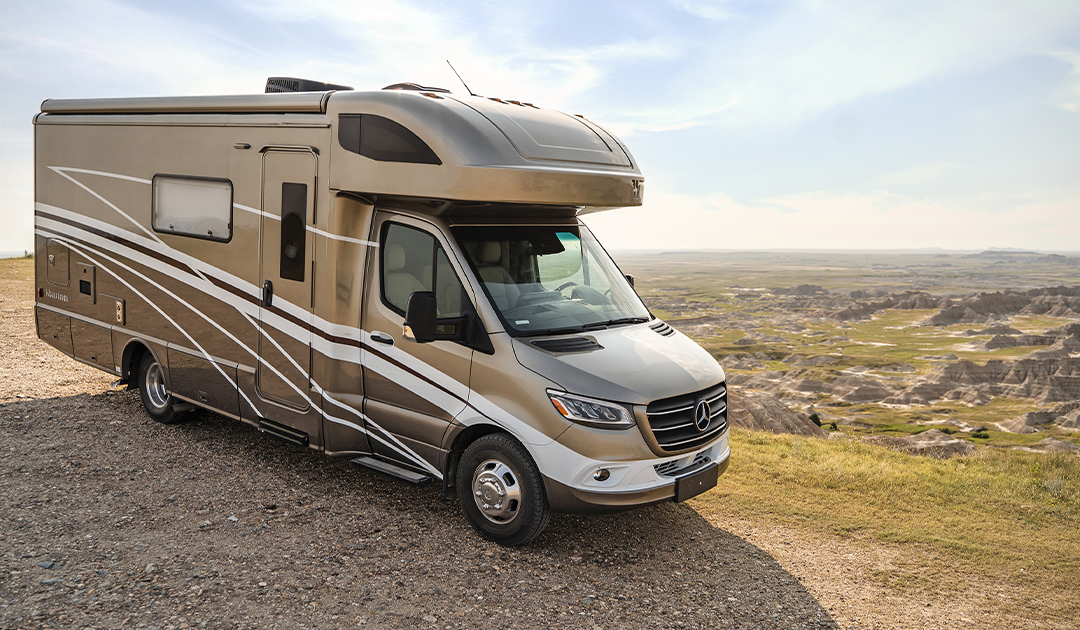
Winnebago View 24D
Class C · 25 ft · sleeps 4 · 4-season
14,000 lbs dry · Motorized
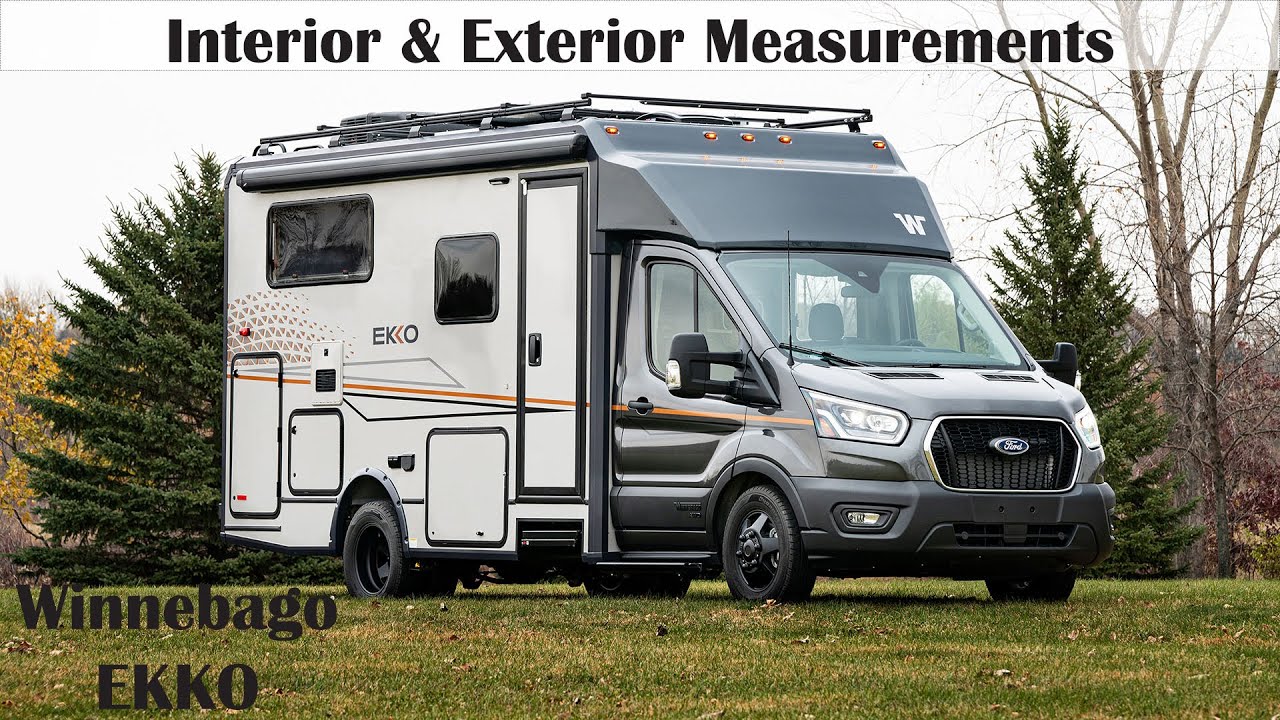
Winnebago Ekko 22A
Class C · 24 ft · sleeps 4 · 4-season
11,500 lbs dry · Motorized

Winnebago Revel 44E
Class B · 20 ft · sleeps 2 · 4-season
11,030 lbs dry · Motorized
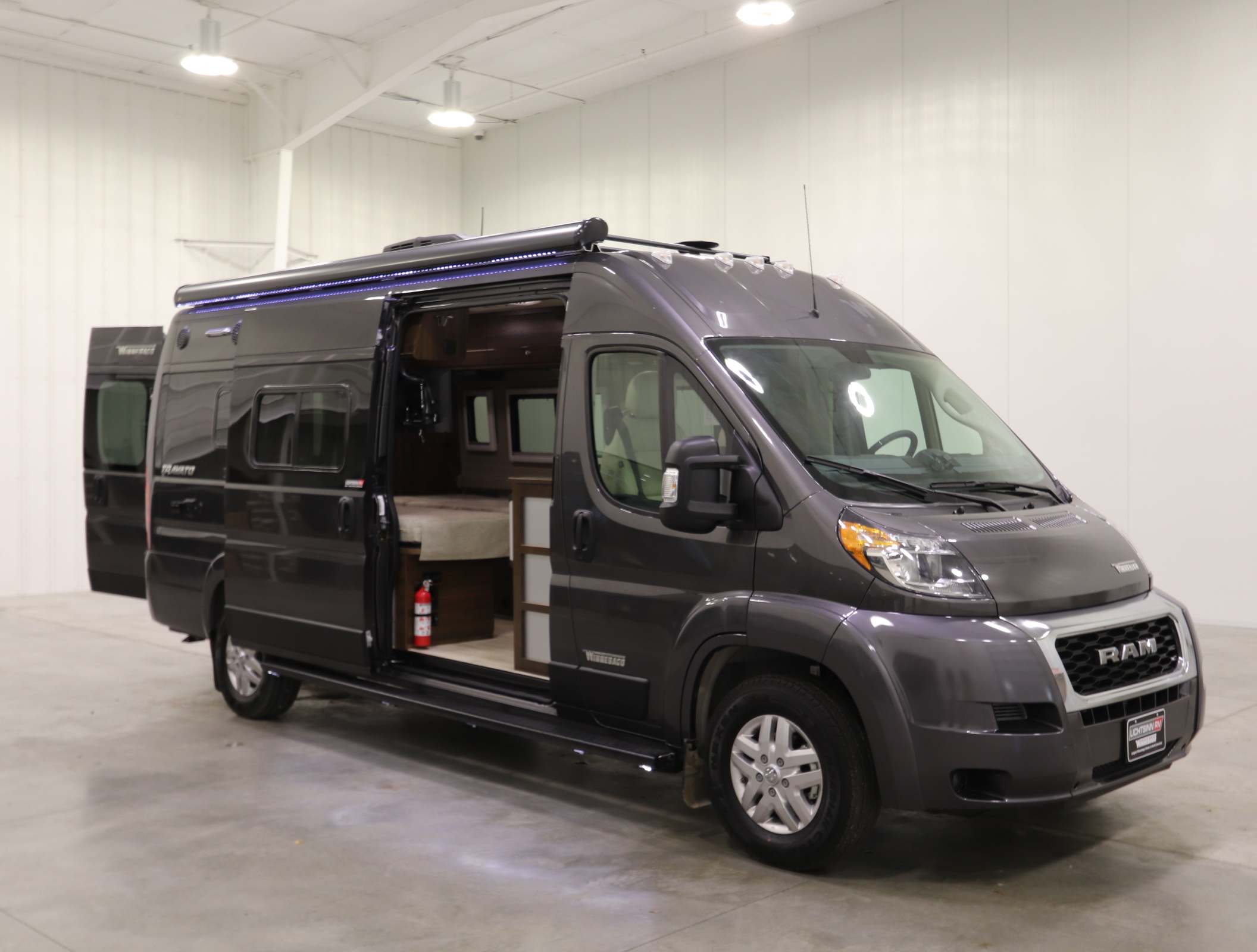
Winnebago Travato 59KL
Class B · 21 ft · sleeps 2
9,100 lbs dry · Motorized
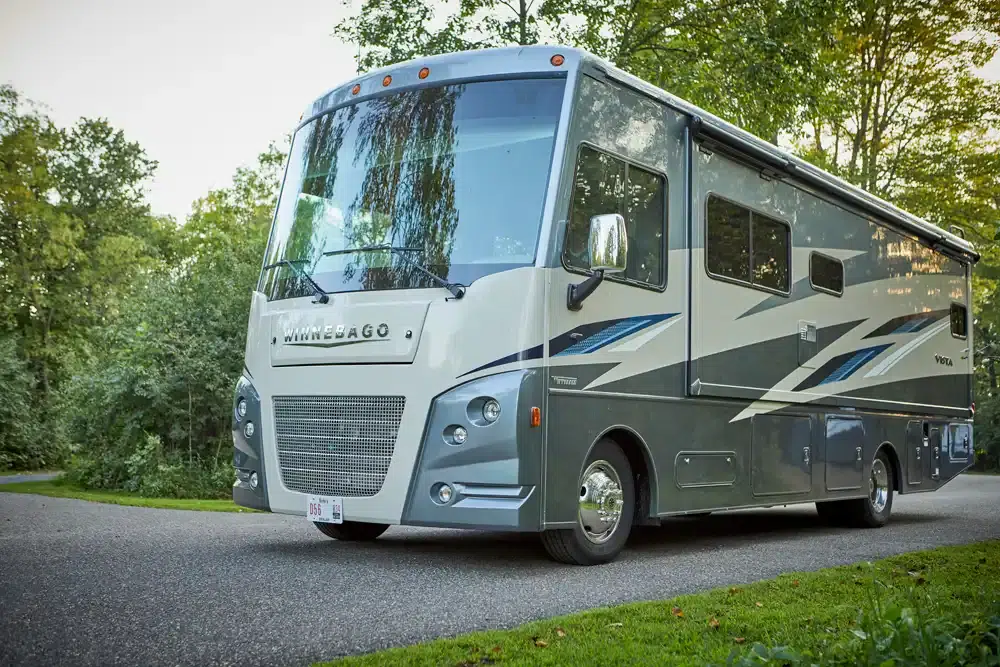
Winnebago Vista 31B
Class A · 32 ft · sleeps 6
22,000 lbs dry · Motorized
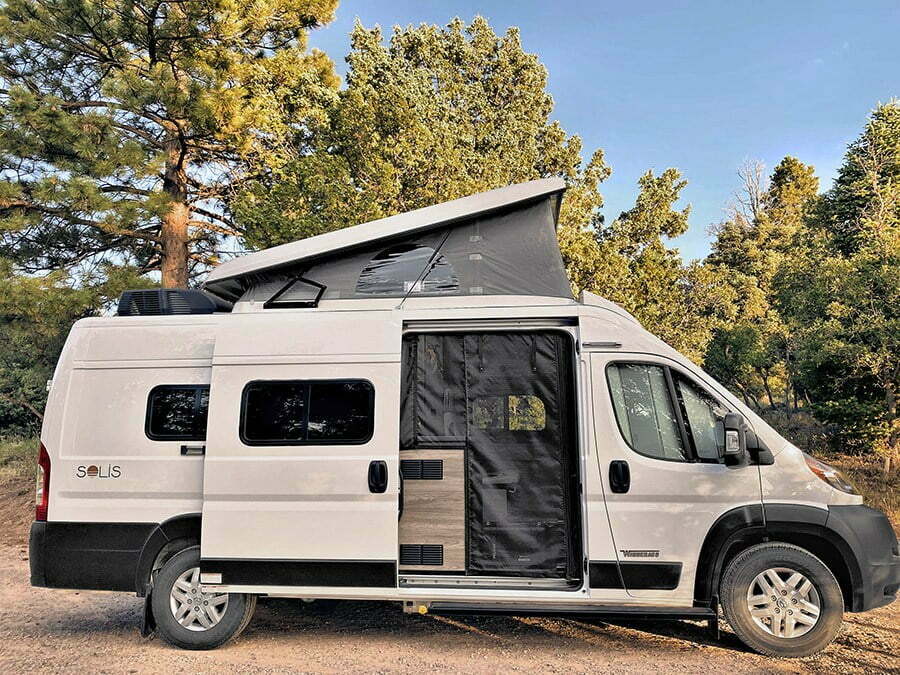
Winnebago Solis 59PX
Class B · 19 ft · sleeps 2
8,400 lbs dry · Motorized
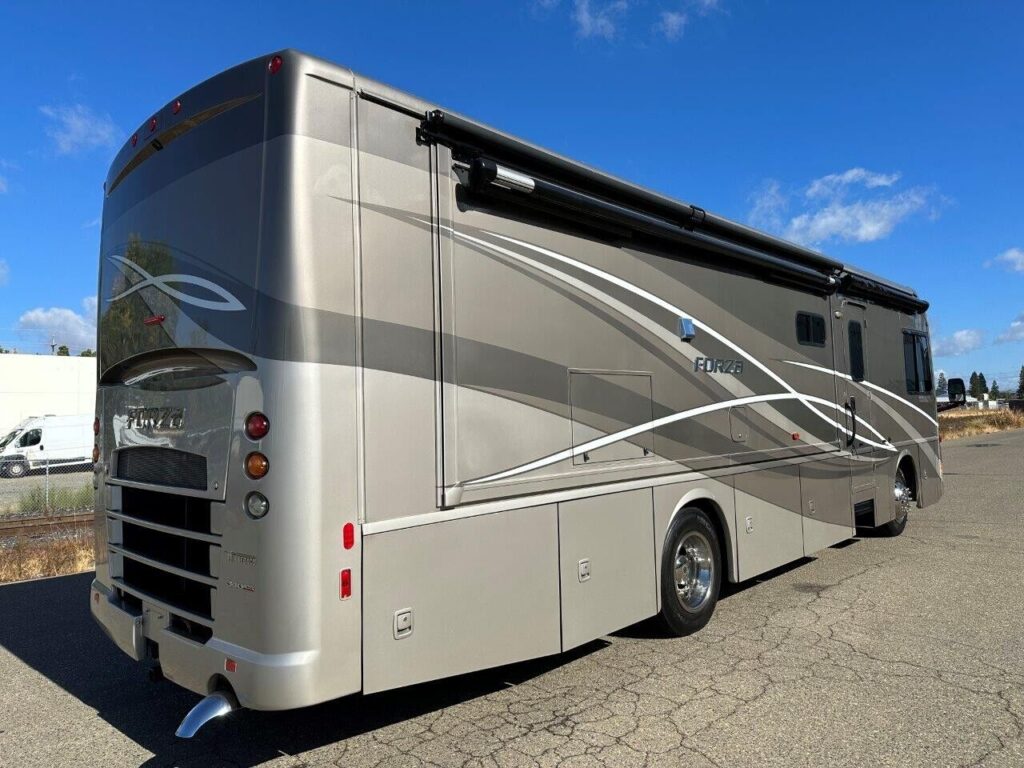
Winnebago Forza 34T
Class A · 35 ft · sleeps 4 · 4-season
30,000 lbs dry · Motorized
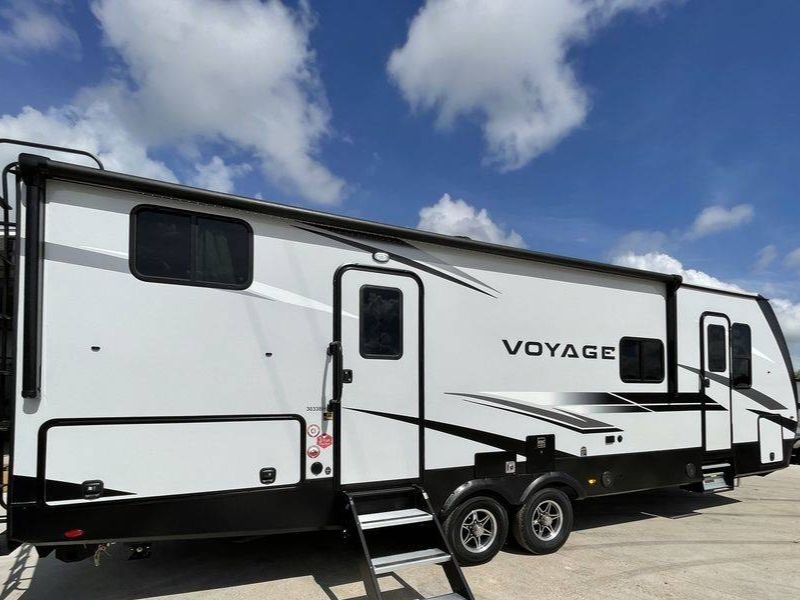
Winnebago Voyage 3033BH
Travel Trailer · 35 ft · sleeps 8
7,600 lbs dry · Towable