Winnebago Ekko 22A vs Winnebago Vista 31B
vs
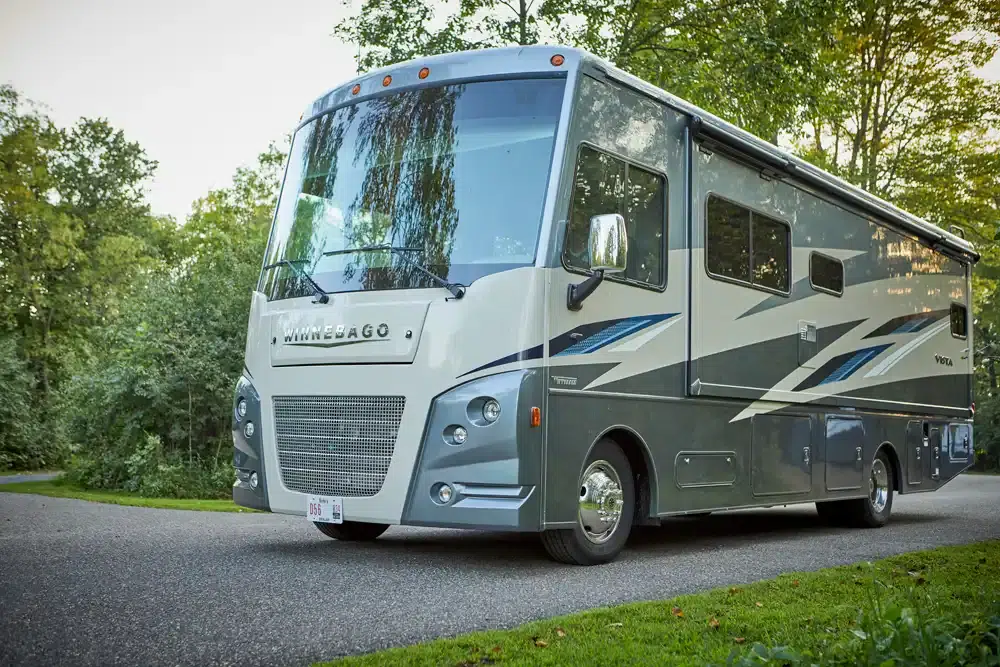
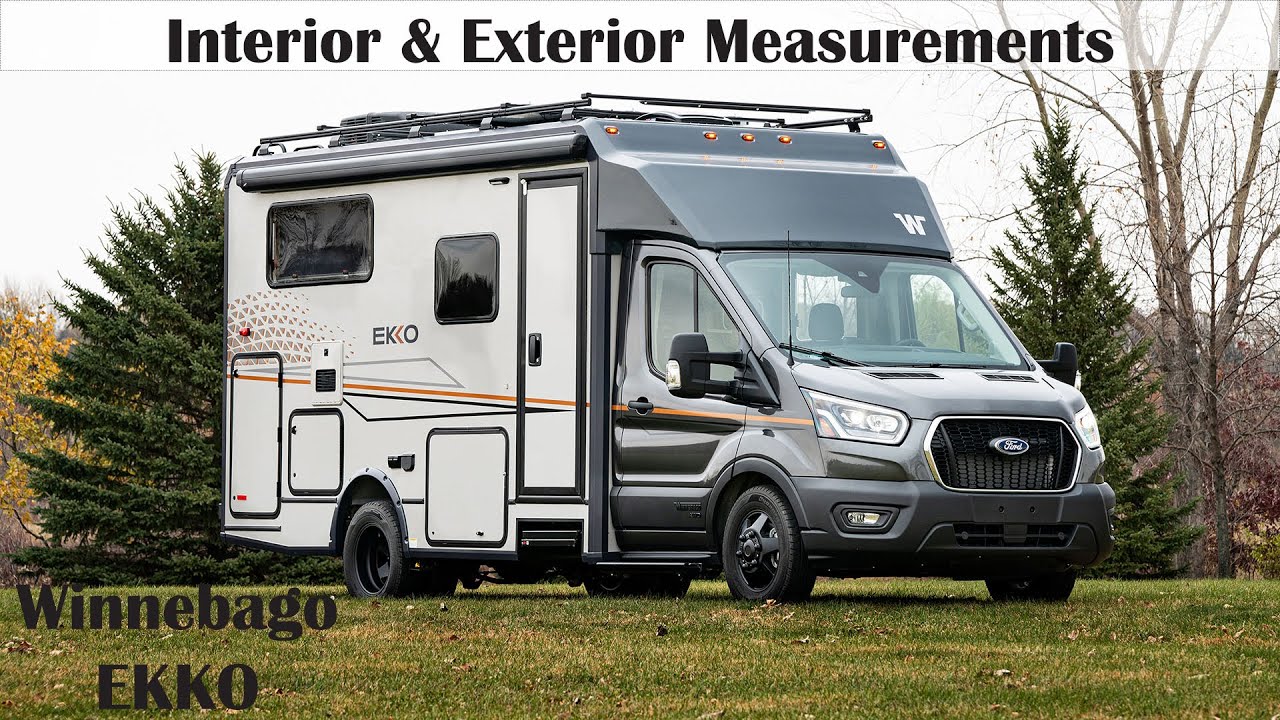
Quick take: The Winnebago Vista 31B costs $17,000 less; the Winnebago Vista 31B sleeps more (6 vs 4); the Winnebago Ekko 22A is 8 ft shorter and easier to maneuver.
| Spec | Winnebago Ekko 22A | Winnebago Vista 31B |
|---|---|---|
| Price | $182,000 | $165,000 |
| Rating | 4.6★ (2,200) | 4.3★ (2,600) |
| Type | Class C | Class A |
| Year | 2025 | 2025 |
| Length | 24 ft | 32 ft |
| Weight | 11,500 lbs | 22,000 lbs |
| Sleeps | 4 | 6 |
| Fresh water | 31 gal | 72 gal |
| Slide-outs | 0 | 2 |
| Solar | 300W | 100W |
| Four-season | Yes | No |
| Pet friendly | Yes | Yes |
| Towable | No | No |
| Chassis | Ford Transit 350 HD AWD | Ford F-53 |
Why owners pick each
Winnebago Ekko 22A
- ✓Only AWD Class C on the market — great for mountain roads and snow
- ✓Pop-top sleeping loft adds a bed without increasing driving height
- ✓Drives and parks like a large van despite Class C amenities
Winnebago Vista 31B
- ✓Two slides create a spacious living area rivaling much more expensive coaches
- ✓Bunk beds are a lifesaver for families with kids
- ✓Gas engine means lower maintenance costs than diesel Class As
What owners report
Winnebago Ekko 22A
- ✓The Ford Transit AWD gas chassis is the Ekko's killer feature - owners on iRV2 and winnieowners.com call it a 'big step up from the trouble-prone Sprinter and ProMaster,' with cheap, universally available gas service and no DEF or diesel-dealer headaches
- ✓Genuinely impressive off-grid system - a 320Ah lithium battery (expandable to 640Ah) paired with 455 watts of solar lets owners run the fridge and electronics for days, rivaling far pricier vans
- ✓A 50-gallon freshwater tank with all tanks mounted inside and heated makes the Ekko a true four-season rig and gives it the boondocking water capacity the Revel famously lacks
- ✓The pass-through rear gear garage swallows bikes, kayaks, and gear - owners love that it pairs adventure-van utility with a real bathroom and a stand-up shower
- ✓Owners report it 'launches boats well' and climbs grades with confidence, and at under 23 feet it parks almost anywhere while still sleeping a family of four
- ✓Wet-bath-free design with a dedicated shower and toilet area is a step above most Class Bs, and the layout feels far roomier than the 23-foot exterior suggests
- ✓Compared to the Revel, owners point out the Ekko sleeps four instead of two, costs less, runs on cheap gas, and avoids Mercedes service - a value argument that's driven its explosive popularity
- ✗Early production years were rough - owners catalog cracked side windows, missing trim, locking seatbelts, radio console faults, and a long list of cabinet and latch issues, though Winnebago has resolved much of it on later builds
- ✗A real service headache: owners in Colorado, New Mexico, Texas, and Arizona report Ford dealers refusing to work on the under-24-foot Transit chassis even under warranty, despite Ford customer support promising otherwise
- ✗Persistent small-defect complaints - propane cabinet latches, cabinet door gaps and rubbing, loose emergency-window gaskets, wobbly USB ports, and shower wall straps that don't hold panels during driving
- ✗Microwave and appliance failures recur - one owner had a microwave replaced under warranty only for the replacement to show the same door-button fault
- ✗At roughly $182k it's expensive for a gas Class C, and owners note you're paying Winnebago-premium pricing for a rig that still ships with the small-defect punch list common to the brand
Winnebago Vista 31B
- ✓Genuine family bunkhouse layout - a rear queen bedroom plus dedicated bunk beds and an available powered StudioLoft drop-down bed over the cab let it sleep six to seven, which is hard to find in a sub-32-foot gas Class A
- ✓Winnebago's welded steel subfloor bolted to the chassis is a real structural advantage over many competitors, giving the coach a solid foundation owners point to as a build-quality differentiator
- ✓The current 7.3L Godzilla V8 on the Ford F53 with the 6-speed TorqShift transmission is a strong, reliable, low-maintenance powertrain that pulls the coach and a toad without drama
- ✓Big exterior storage, a large powered awning, and a Tailgate Package with LP quick-connect, outdoor sink, and fridge make it a great basecamp coach for families who live outside the rig
- ✓Strong dealer and parts network as the most established motorhome name, and the gas F53 chassis can be driven on a normal license and is far cheaper to buy and own than a diesel pusher
- ✓Modern Ford cab brings Electronic Stability Control, Hill-Start Assist, and a much-improved dash over older F53 coaches, raising the baseline safety and comfort
- ✓Good value within the gas Class A bunkhouse niche - it typically prices below a comparable Tiffin Open Road and gives families more usable sleeping berths than most rivals
- ✗The Ford F53 chassis sway and wander is the universal complaint - Winnebago itself ships these knowing they're light in the front, and owners routinely do the 'cheap handling fix' (relocating front sway-bar bolts) plus a steering stabilizer and rear sway bar before they're comfortable in wind
- ✗Owners report leveling-jack issues (hydraulic lines bulging/leaking) and slide-rail problems requiring rail replacement - the mechanical systems aren't trouble-free
- ✗Post-warranty support and parts availability frustrate owners - responsiveness is reported as slow, and getting parts and clear guidance once coverage ends is a real pain point
- ✗Getting F53 chassis service has gotten hard post-COVID; many Ford dealers won't touch a motorhome, pushing owners to commercial truck shops for anything outside warranty
- ✗Gas Class A fuel economy is poor - expect roughly 6-8 MPG, well below a diesel pusher or even a Sprinter Class C, which adds up fast on long trips