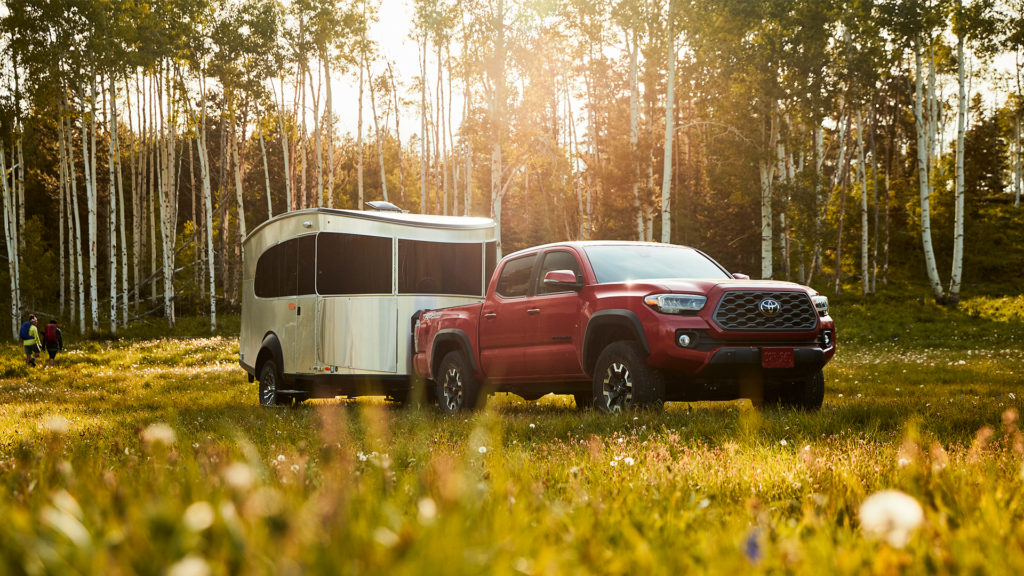
Airstream Basecamp 20X vs Lance 1685
vs
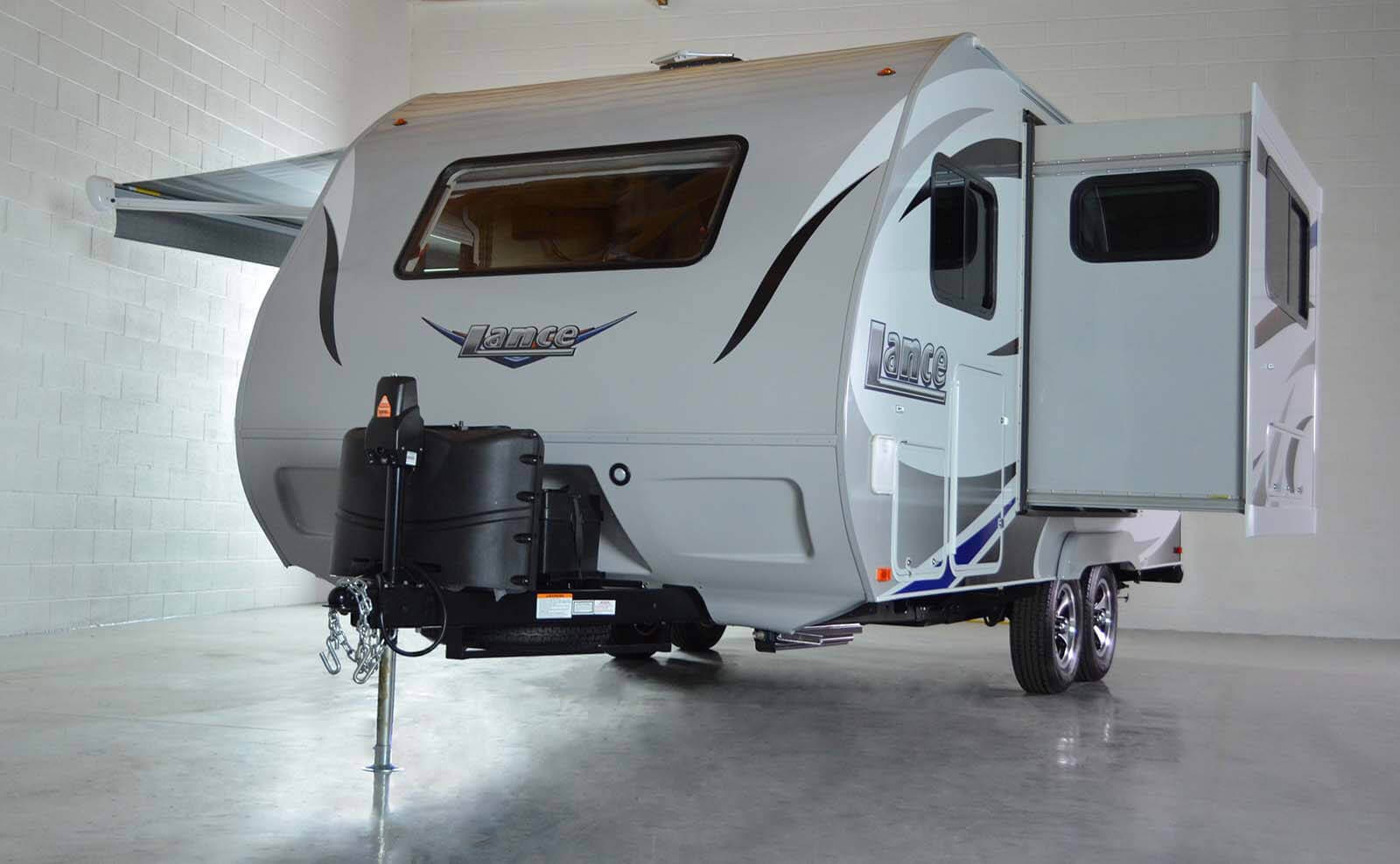
Quick take: The Lance 1685 sleeps more (4 vs 2); the Airstream Basecamp 20X is 1 ft shorter and easier to maneuver.
| Spec | Airstream Basecamp 20X | Lance 1685 |
|---|---|---|
| Price | $52,000 | $52,000 |
| Rating | 4.4★ (2,100) | 4.5★ (2,400) |
| Type | Travel Trailer | Travel Trailer |
| Year | 2025 | 2026 |
| Length | 20 ft | 21 ft |
| Weight | 3,800 lbs | 4,225 lbs |
| Sleeps | 2 | 4 |
| Fresh water | 27 gal | 45 gal |
| Slide-outs | 0 | 1 |
| Solar | None | None |
| Four-season | No | Yes |
| Pet friendly | Yes | Yes |
| Towable | Yes | Yes |
| Chassis | — | — |
Why owners pick each
Airstream Basecamp 20X
- ✓Rear hatch opens to load bikes, kayaks, and gear right inside
- ✓Light enough for a Toyota 4Runner or Ford Bronco to tow
- ✓Airstream quality and resale value in a compact package
Lance 1685
- ✓45 fresh / 40 gray / 40 black tanks are massive for a 21-foot trailer
- ✓Lance's Azdel-and-aluminum construction shrugs off moisture that rots stick-built rivals
- ✓4,225 lbs dry with a real dry bath and slide - rare combination at this size
What owners report
Airstream Basecamp 20X
- ✓The 20X's lifted suspension, off-road tires, and front rock guard make it the most trail-capable Basecamp, good for graded forest service roads and moderate boondocking access
- ✓The rear hatch/garage on the 20X swallows bikes, kayaks, and dirty gear — a genuinely useful feature for active, gear-hauling owners
- ✓Surprisingly capable wet bath, galley, and convertible dinette-to-bed packed into a tiny footprint, so two people can travel self-contained without a giant rig
- ✓Aerodynamic, low-profile shape tows easily and quietly and barely dents your fuel economy compared to a tall boxy trailer
- ✓Airstream's brand, resale demand, and owner community (Airforums) are second to none — these sell quickly used and have a deep knowledge base
- ✓Aluminum construction resists the catastrophic delamination and rot that plague some filon/wood-framed trailers when seals fail
- ✗It is wildly expensive for the size — around $52K buys a far bigger and more featured conventional trailer; you're paying a huge premium for the aluminum shell and badge
- ✗'Off-road' is more marketing than overlanding — owners report being warned not to exceed 25-30 mph on dirt or rivets can start backing out, so it's graded-road capable, not rock-crawling
- ✗Quality-control horror stories are real: owners report cabinet doors falling off in the first hour, seven-way connectors failing, and many months in the shop over the first couple of years
- ✗Living space is genuinely tight — it's a two-person trailer at most, and the bed-to-dinette conversion is a nightly chore many owners come to resent
- ✗Layout quirks frustrate daily use: the fridge door swings over the dinette and knocks things off the table, and the rear entry/garage geometry can be awkward to climb into
- ✗Aluminum bodies are expensive and specialized to repair after a dent or leak — body shops that work on Airstreams are scarce and pricey
- ✗For the price you get small tanks and modest battery/solar as standard, so true extended boondocking needs costly upgrades the badge buyers might expect to be included